
5 Breathing Exercises for Instant Energy (No Coffee Needed)
I’ve discovered that proper breathing techniques can be a natural alternative to coffee for boosting energy levels throughout the day. Many people don’t realize they’re not breathing optimally, which can significantly affect their energy levels and overall well-being.
Through my personal experience with breathing exercises, I’ve found that they not only provide an instant energy boost but also improve focus, reduce stress, and enhance overall health. The science behind it is simple: when we breath correctly, our body and mind function more efficiently.
In this article, I’ll share step-by-step instructions for exercises that can be easily incorporated into your daily practice, helping you stay energized and focused without relying on caffeine.
Key Takeaways
- Discover how breathing techniques can naturally boost your energy.
- Learn why optimal breathing is crucial for overall well-being.
- Find out how to incorporate simple exercises into your daily routine.
- Understand the science behind how breath affects energy levels.
- Experience the additional benefits of breathing exercises, including improved focus and reduced stress.
The Connection Between Breathing and Energy Levels
The way we breathe has a profound impact on our energy levels throughout the day. Breathing is a fundamental bodily function that affects not just our respiratory system but our entire being.
How Your Breath Affects Your Body and Mind
Our breath influences our body and mind in several ways. When we breathe shallowly, we limit our oxygen intake, which can lead to reduced cellular energy production. On the other hand, conscious breathing can increase oxygen flow to the brain, enhancing cognitive function and creating natural alertness. “The breath is a powerful tool that can be harnessed to improve our well-being,” as noted by practitioners of yoga and meditation.
Why Proper Breathing Can Replace Your Morning Coffee
Proper breathing techniques can provide a sustainable energy boost without the crash associated with caffeine. By practicing resonant breathing at a rate of 5 full breaths per minute, we can maximize heart rate variability, reduce stress, and potentially alleviate symptoms of depression. This natural energy enhancement is more beneficial than relying on morning coffee, which can lead to energy crashes later in the day.
The Science Behind Breathing for Energy
The science behind breathing exercises reveals a complex interplay between oxygen intake and energy production in our bodies. By understanding how breathing affects our physiological processes, we can harness its potential to boost our energy levels naturally.
How Oxygen Impacts Brain Function and Alertness
Increased oxygen intake through proper breathing techniques directly enhances mitochondrial function, which is responsible for cellular energy production. Studies have shown that breathing exercises can increase blood oxygen saturation levels, correlating with improved mental clarity and physical energy. The brain’s alertness is regulated by the reticular activating system, which can be stimulated through controlled breathing, thus enhancing our alertness and focus.
The Nervous System Response to Different Breathing Patterns
Different breathing patterns affect the sympathetic and parasympathetic branches of the nervous system, impacting our energy states. For instance, rapid breathing can stimulate the sympathetic nervous system, increasing alertness, while slow, deep breathing can activate the parasympathetic nervous system, promoting relaxation. By consciously controlling our breath, we can influence our nervous system’s response, thereby managing our energy levels effectively.
Furthermore, specific breathing techniques can help regulate neurotransmitters like dopamine and serotonin, which affect our energy and mood. Conscious breathing practices can also help reset circadian rhythms disrupted by modern lifestyles, leading to improved energy throughout the day.
5 Breathing Exercises for Instant Energy (No Coffee Needed)
Boost your energy levels instantly with these 5 simple yet powerful breathing exercises. In today’s fast-paced world, it’s easy to feel drained and sluggish, but relying on coffee isn’t the only solution. By incorporating these effective breathing techniques into your daily routine, you can experience a natural energy boost that lasts throughout the day.
What Makes These Exercises Effective
The breathing exercises I’ve selected are designed to optimize oxygen flow, calm the mind, and invigorate the body. Proper breathing techniques can significantly impact your energy levels by increasing oxygenation of the brain and other vital organs. When practiced consistently, these exercises can help reduce fatigue and improve overall well-being.
Let’s take a look at the effectiveness of these exercises in a comparative analysis:
| Breathing Exercise | Energy Boost | Mental Clarity |
|---|---|---|
| Diaphragmatic Breathing | High | Moderate |
| Alternate Nostril Breathing | Moderate | High |
| Box Breathing | High | High |
How to Incorporate Them Into Your Daily Routine
Incorporating these breathing exercises into your daily routine is easier than you think. Begin with 2 to 5 minutes a day and gradually increase the duration as you become more comfortable with the techniques. Practice multiple times a day, scheduling set times or practicing conscious breathing as needed. For example, you can practice deep breathing exercises during your morning routine, before important meetings, or as a mid-day energy boost.
To maximize the benefits, it’s essential to create a conducive environment for your breathing practice. Find a quiet, comfortable spot where you can sit or stand without distractions. As you progress, you can combine these exercises with other daily activities like commuting or taking short breaks at work.
By incorporating these 5 breathing exercises into your daily routine, you’ll be able to track your energy improvements and stay motivated to continue your practice. With consistent effort, you’ll experience a natural energy boost that helps you power through your day without relying on coffee.
Alternate Nostril Breathing for Mental Clarity

Nadi Shodhana, or alternate nostril breathing, is a simple yet effective breathing practice that can significantly enhance your mental clarity and overall well-being. This ancient yogic technique has been used for centuries to balance the body’s energy and calm the mind.
Step-by-Step Instructions
To practice alternate nostril breathing, start by sitting comfortably with your back straight. Place your right hand in front of your face, with your thumb and ring finger ready to close your nostrils. Close your right nostril with your thumb and inhale through your left nostril. Then, close your left nostril with your ring finger and exhale through your right nostril. Inhale through your right nostril, close it with your thumb, and exhale through your left nostril. Continue this cycle, maintaining a smooth and steady breathing rhythm.
Benefits for Energy and Focus
Alternate nostril breathing has been shown to have numerous benefits for both energy and focus. By balancing the left and right hemispheres of the brain, this technique can enhance mental clarity and promote a sense of calm. Regular practice can lead to improved cardiovascular function, lower heart rate, and reduced stress hormones, all of which contribute to increased energy levels and better focus.
For maximum benefits, it’s recommended to practice alternate nostril breathing on an empty stomach, ideally in the morning or during an afternoon slump. Start with a few minutes a day and gradually increase the duration as you become more comfortable with the technique.
Lion’s Breath for Quick Revitalization
Lion’s Breath, or Simhasana Pranayama, is an energizing yoga breathing practice that combines physical postures, facial expressions, and breathing techniques to create an immediate energy surge. This unique practice is not only beneficial for relieving tension in the jaw and facial muscles but also for providing a quick revitalization.
How to Perform Lion’s Breath Correctly
To practice Lion’s Breath, start by sitting comfortably on your heels or on a chair with your back straight. Place your hands on your knees or thighs, depending on your seated position. Then, take a deep breath in through your nose. As you exhale through your mouth, stick out your tongue, stretching it down towards your chin, and open your eyes wide. You can also roar like a lion as you exhale, which helps to release tension and stimulate your vagus nerve.
When and Why It Works for Energy Boosts
Lion’s Breath is particularly effective during afternoon energy slumps, before presentations, or after long periods of concentration. The technique works by increasing oxygen intake, releasing tension in the face and throat, and stimulating the vagus nerve, which plays a crucial role in regulating your breathing and heart rate. By practicing Lion’s Breath, you can release stagnant energy and tension that often accumulates in the jaw, face, and throat areas, thereby revitalizing your body and mind.
The somewhat unusual nature of Lion’s Breath, involving sticking out your tongue and making sounds, contributes to its effectiveness by breaking patterns and stimulating the body in unexpected ways. For situations where a more discreet practice is needed, a subtle version of Lion’s Breath can be performed without drawing attention, making it versatile for various settings.
Diaphragmatic Breathing for Sustained Energy
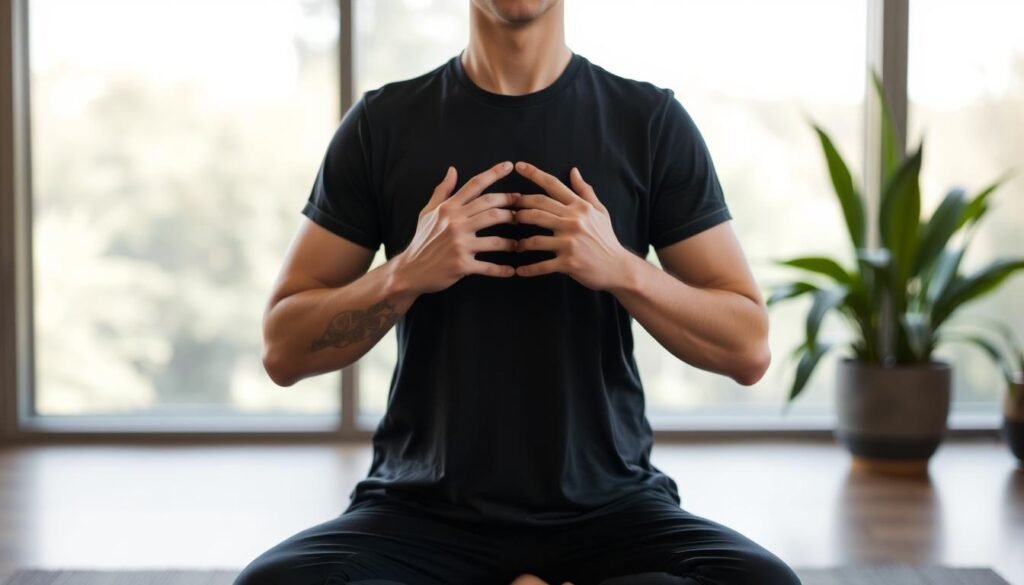
For those seeking a natural energy boost, diaphragmatic breathing offers a highly effective solution. Diaphragmatic breathing, also known as belly breathing, engages your diaphragm properly, unlike shallow chest breathing that most people default to.
Mastering Belly Breathing Technique
To master diaphragmatic breathing, start by placing one hand on your belly and the other on your chest. Inhale deeply through your nose, allowing your belly to rise as your diaphragm descends. Your chest should not move. This technique requires practice, but it’s essential for sustained energy throughout the day.
How It Improves Oxygen Flow and Energy
Diaphragmatic breathing improves oxygen intake and blood oxygenation, enhancing lymphatic flow and reducing stress response. By activating the parasympathetic nervous system, it provides a balanced energy boost without the jitters associated with stimulants like coffee. Regular practice strengthens the diaphragm muscle, allowing for more efficient breathing. For more information on diaphragmatic breathing, visit Healthline’s guide.
By incorporating diaphragmatic breathing into daily activities such as sitting at a desk, driving, or walking, you can maintain energy levels throughout the day. This technique serves as the foundation for other energy-boosting breathing exercises, making it essential to master for anyone looking to harness the power of breath for natural energy.
Box Breathing for Enhanced Focus and Alertness
Box breathing, also known as four-square breathing, offers a straightforward approach to improving mental clarity. This technique involves a simple yet powerful method of controlling your breath to enhance focus and reduce stress.
The 4-Count Method Explained
The box breathing technique is based on a four-count cycle: inhale for 4 seconds, hold your breath for 4 seconds, exhale for 4 seconds, and hold again for 4 seconds. This creates a “box” shape with your breath, promoting balance and calmness.
By following this 4-count method, you can effectively calm your mind and boost your energy levels. The key is to focus on the counting, distracting yourself from stressful thoughts and promoting a state of mindfulness.
Using Box Breathing During Energy Slumps
Box breathing can be particularly useful during periods of low energy or when facing challenging tasks. By incorporating this technique into your daily routine, you can experience improved focus and alertness, helping you navigate through morning grogginess, post-lunch dips, or late afternoon fatigue.
To maximize the benefits, you can modify the basic box breathing technique to suit different situations. For instance, extending the counts can lead to deeper relaxation, while shortening them can provide a quicker energy boost.
By practicing box breathing regularly, you can develop a valuable tool for managing stress and enhancing your overall energy levels. This technique, used by high-performance individuals like Navy SEALs, can be a game-changer in your daily life, helping you stay focused and alert.
Conclusion: Breathing Your Way to Natural Energy
Embracing the art of conscious breathing can transform your daily energy landscape, reducing reliance on coffee and other stimulants. Throughout this article, we’ve explored five powerful breathing exercises that can help you achieve instant energy boosts whenever you need them.
The five breathing exercises covered – Alternate Nostril Breathing, Lion’s Breath, Diaphragmatic Breathing, Box Breathing, and Breathing techniques – offer a natural, sustainable alternative to caffeine for maintaining energy throughout the day. To get the most out of these techniques, I recommend establishing a consistent practice schedule.
Try incorporating these exercises into your daily routine: start with just one technique and gradually add more as you become more comfortable with the practices. Be patient with yourself, as the benefits of breathing exercises accumulate over time. By combining these techniques with other natural energy-boosting practices like movement, hydration, and proper nutrition, you can achieve a holistic approach to sustained vitality.
Begin your journey to natural energy today by choosing just one breathing exercise to practice. With consistent practice, you’ll find that your breath is always available as a tool for energy management, requiring no special equipment or preparation.
FAQ
What are the benefits of practicing diaphragmatic breathing?
How often should I practice breathing exercises to see results?
Can alternate nostril breathing really improve mental clarity?
How does box breathing help with energy and focus?
Are there any potential risks or side effects associated with practicing breathing exercises?
Can I practice these breathing exercises throughout the day?
editor's pick
latest video

news via inbox
Nulla turp dis cursus. Integer liberos euismod pretium faucibua


