
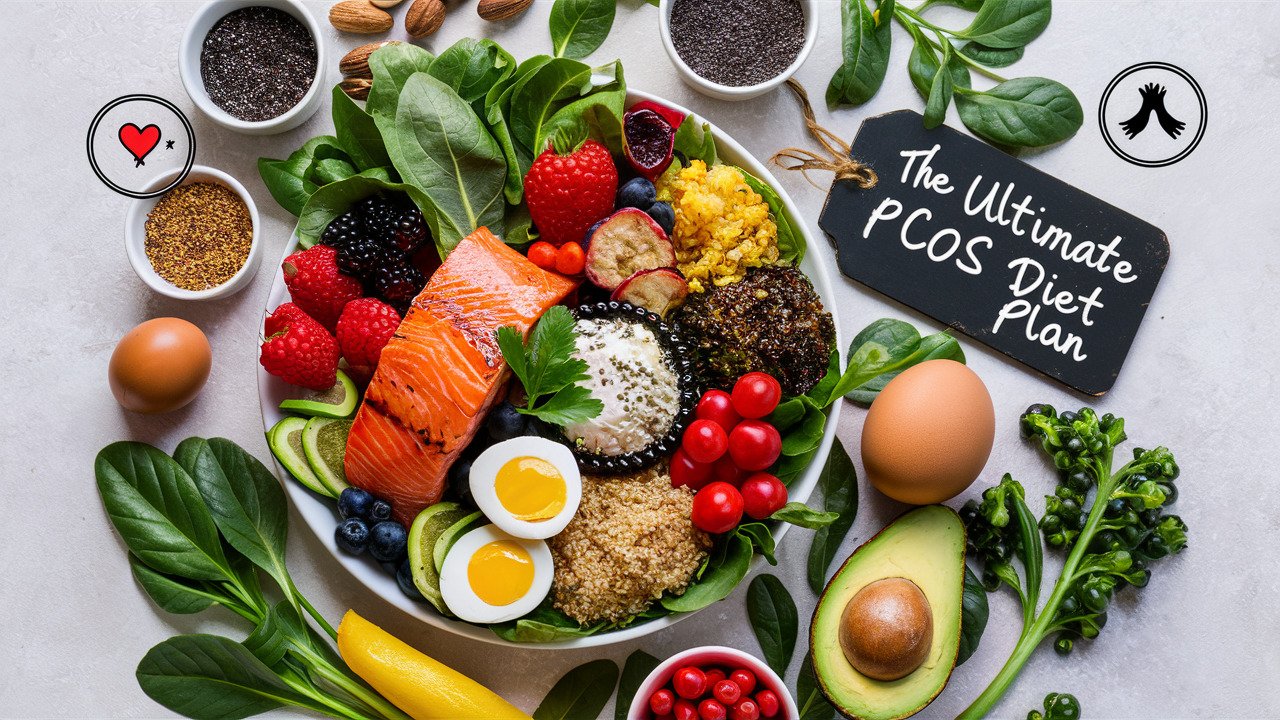
Your PCOS Diet Plan: Foods to Eat (And Avoid) for Hormone Balance
Living with Polycystic ovary syndrome can be challenging, but understanding how your diet impacts your hormones is the first step toward managing your symptoms effectively.
If you’re one of the many women dealing with PCOS, you’re likely no stranger to the frustration of unbalanced hormones and the symptoms that come with them.
This comprehensive guide will help you navigate the complex relationship between what you eat and how your body responds when you have PCOS, empowering you with the knowledge to make choices that help your body function at its best.
Key Takeaways
- Understand how your diet impacts your hormone balance with PCOS.
- Discover which foods can help balance your hormones.
- Learn which foods might be making your symptoms worse.
- Explore evidence-based dietary approaches for PCOS.
- Create a personalized diet plan that fits your lifestyle.
Understanding PCOS and Its Impact on Your Body
PCOS is more than just a reproductive issue; it’s a syndrome that influences overall health and well-being. This condition is characterized by a cluster of symptoms that can vary widely among individuals.
What Is Polycystic Ovary Syndrome?
Polycystic ovary syndrome (PCOS) is a hormonal disorder common among women of reproductive age. It is typically marked by irregular periods, multiple ovarian cysts, and elevated levels of androgens in the body.
How PCOS Affects Your Hormones
The hormonal imbalance in PCOS disrupts your hormones, creating a cascade effect that impacts multiple systems, from reproductive health to metabolism. The excess androgens produced can lead to symptoms like unwanted hair growth and acne.
As noted by health experts, “Recognizing how PCOS affects your unique body is the first step toward taking control of your symptoms and improving your quality of life.”
The Connection Between PCOS and Insulin Resistance
Understanding the link between PCOS and insulin resistance is crucial for managing the condition effectively. Insulin resistance affects approximately 50-75% of women with PCOS, making it a central feature of the condition for many.Insulin, a hormone produced in the pancreas, helps the cells in your body turnsugar (glucose)into energy.
Why Insulin Matters for PCOS Management
Your body’s relationship with insulin is crucial to understand—think of insulin as a key that unlocks your cells, allowing glucose to enter and be used for energy. When you have insulin resistance, your cells don’t respond properly to insulin, forcing your pancreas to produce more and more to maintain normal blood sugar levels. According to research, insulin resistance is a significant factor in, affecting not just metabolism but also hormone production.
As a result, excess insulin circulating in your bloodstream directly stimulates your ovaries to produce more androgens, worsening PCOS symptoms. The relationship between insulin and hormones creates a challenging cycle: insulin resistance leads to higher androgen levels, which can worsen insulin resistance.
Blood Sugar Balance and Hormone Health
Maintaining stable blood sugar levels throughout the day is one of the most effective strategies for managing PCOS symptoms and improving hormone balance. Even small improvements in insulin sensitivity can have significant positive effects on your PCOS symptoms, energy levels, and overall health. By understanding this connection, you can better manage your condition through dietary approaches that focus on blood sugar management.
By focusing on improving insulin sensitivity, you can break the cycle of insulin resistance and high androgen levels, leading to better overall health and PCOS management.
PCOS Diet Plan: Foods to Eat (And Avoid) for Hormone Balance
When it comes to managing PCOS, your diet plays a crucial role in achieving hormone balance. A well-structured diet plan can help alleviate symptoms and improve overall health.
The key to a successful PCOS diet is adopting a sustainable eating pattern that supports hormone balance. This involves focusing on nutrient-dense foods that promote overall health and well-being.
The Mediterranean Diet Approach for PCOS
The Mediterranean diet is often recommended for PCOS management due to its balanced and flexible framework. This eating pattern emphasizes anti-inflammatory foods, including fruits, vegetables, whole grains, and healthy fats, which help combat chronic inflammation associated with PCOS.
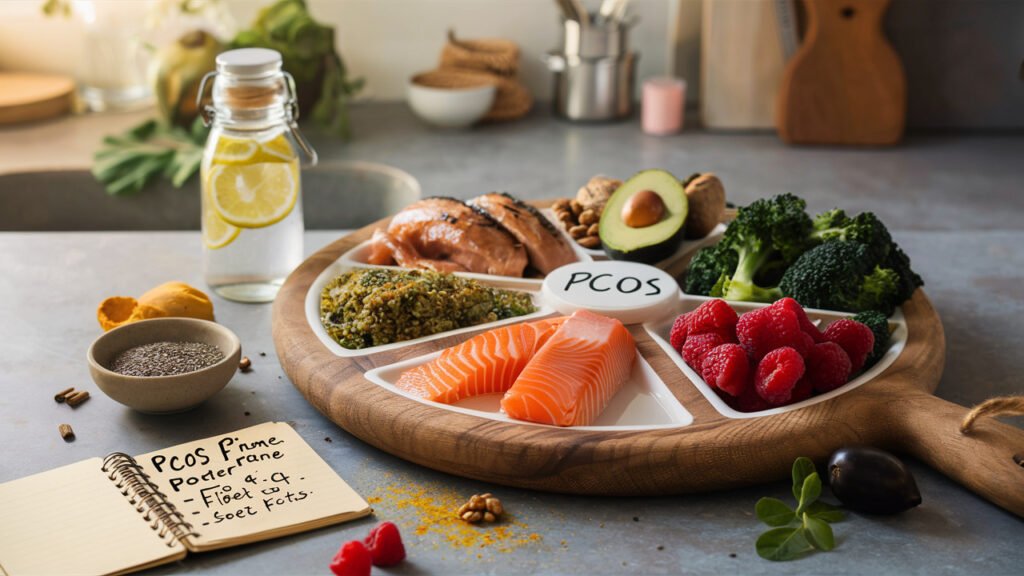
The Mediterranean diet provides ample fiber, healthy fats, and antioxidants, making it an effective approach for managing insulin resistance and hormone balance.
Other Effective Dietary Approaches
In addition to the Mediterranean diet, other dietary approaches can be effective for PCOS management. These include low-glycemic eating plans, which help maintain stable blood sugar levels, and the DASH diet, which emphasizes whole foods and limits processed items.
| Dietary Approach | Key Features | Benefits for PCOS |
|---|---|---|
| Mediterranean Diet | Emphasizes fruits, vegetables, whole grains, and healthy fats | Reduces inflammation, improves hormone balance |
| Low-Glycemic Eating | Focuses on foods with low glycemic index | Helps maintain stable blood sugar levels |
| DASH Diet | Emphasizes whole foods, limits processed items | Promotes overall health, reduces blood pressure |
Working with a registered dietitian can help you develop a personalized diet plan that addresses your unique needs and health goals.
Foods to Avoid When Managing PCOS
Certain foods can trigger inflammation and hormone imbalances, making PCOS symptoms worse. Managing your diet is a crucial step in controlling the condition and alleviating its symptoms.
Inflammatory Foods That Worsen Symptoms
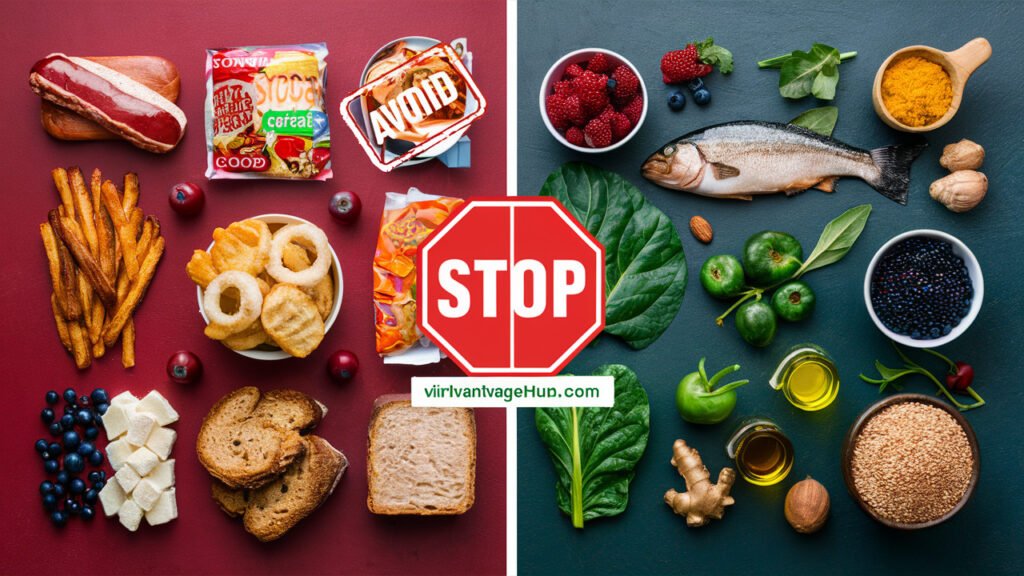
Some foods are known to cause inflammation, which can exacerbate PCOS symptoms. These include:
- Fried foods like French fries, potato chips, and fried chicken or fish.
- Saturated fats found in butter or margarine.
- Red meat, including hamburgers, roast beef, and steaks.
- Processed meats like hot dogs and processed luncheon meat.
These foods can increase systemic inflammation, which is already a concern for many women with PCOS.
Hidden Sources of Sugar and Refined Carbohydrates
A diet high in refined carbohydrates can make insulin resistance and weight loss more difficult to manage. Foods to limit include:
- Refined flour products like white bread, rolls, pizza crust, and pasta.
- Sugary beverages such as sodas, teas, and sports drinks.
- Processed snacks like cakes, cookies, candy, and pies.
- Prepared cereals high in sugar, including instant oatmeal and granola.
Being aware of these hidden sources of sugar and refined carbohydrates can help you make better dietary choices. Reading labels is an essential skill for managing PCOS through diet.
Best Foods to Include in Your PCOS Diet
The foods you eat play a vital role in managing PCOS, from reducing inflammation to balancing blood sugar levels. By incorporating the right foods into your diet, you can alleviate symptoms and support hormone regulation.
Anti-Inflammatory Foods for Hormone Balance
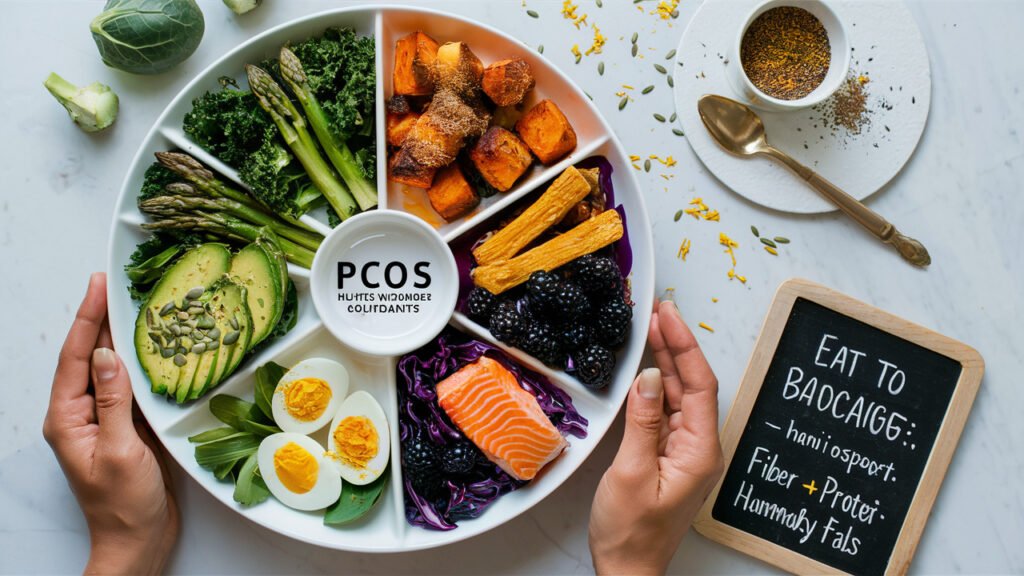
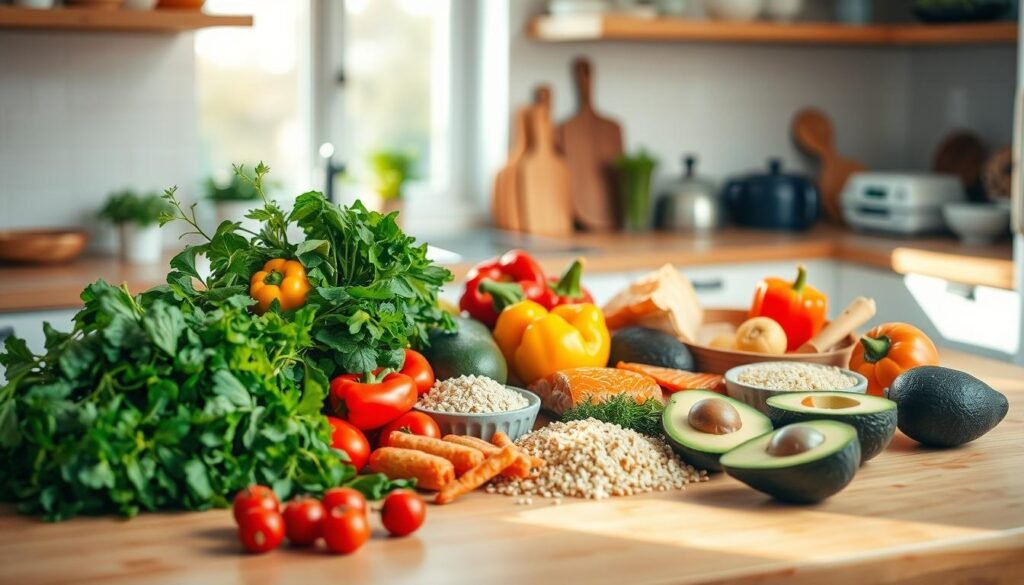
Including anti-inflammatory foods in your diet can help combat chronic inflammation associated with PCOS. Foods like colorful vegetables, berries, fatty fish, and olive oil contain compounds that help reduce inflammation and promote hormone balance. Cruciferous vegetables such as broccoli, cauliflower, and Brussels sprouts are particularly beneficial as they may help your body metabolize estrogen more effectively.
Fiber-Rich Options to Stabilize Blood Sugar
High-fiber foods are essential for PCOS management as they slow digestion, prevent blood sugar spikes, and help you feel satisfied longer. Include beans and lentils in your diet, which offer a powerful combination of plant-based protein and fiber. Whole grains like quinoa, brown rice, and oats are also beneficial, containing fiber and nutrients that processed grains lack, making them better choices for insulin sensitivity.
Healthy Fats and Proteins for PCOS Management
Healthy fats from sources like avocados, nuts, seeds, and olive oil are crucial for hormone production and can help reduce inflammation. Quality proteins such as fatty fish, eggs, and legumes provide the building blocks your body needs for hormone balance without promoting inflammation. Incorporating these foods into your diet can help manage PCOS symptoms and support overall health.
Creating a Sustainable PCOS Meal Plan
To manage PCOS, creating a sustainable dietary plan is essential for long-term success. The plan should be both effective and enjoyable to maintain. People with PCOS can benefit from eating smaller, more frequent meals to maintain stable blood sugar levels.
A balanced breakfast might include whole grains for sustained energy, protein for satiety, and healthy fats to support hormone production. For example, a PCOS-friendly breakfast could be oatmeal with almond butter and scrambled eggs.
Sample Day of PCOS-Friendly Eating
A sample day of PCOS-friendly eating could include meals like oatmeal with almond butter and scrambled eggs for breakfast, grilled chicken salad with olive oil dressing for lunch, and baked salmon with roasted vegetables for dinner. Incorporating physical activity, such as a brisk walk, can enhance insulin sensitivity.
| Meal | PCOS-Friendly Options |
|---|---|
| Breakfast | Oatmeal with almond butter and scrambled eggs |
| Lunch | Grilled chicken salad with olive oil dressing |
| Dinner | Baked salmon with roasted vegetables |
Smart Swaps for Your Favorite Foods
Simple food swaps can transform your favorite meals into PCOS-friendly versions. For instance, using spiralized zucchini instead of pasta or cauliflower rice instead of white rice can make a significant difference. Cooking methods also matter; opt for baking, steaming, or sautéing with olive oil rather than deep-frying.
“If you are diagnosed with polycystic ovary syndrome, it doesn’t mean that you are destined to have poor health,” Stathos stresses. “There is a lot you can do to take charge, minimize symptoms and keep yourself healthy.”
Incorporating physical activity alongside dietary changes can significantly enhance insulin sensitivity and support weight management goals. Even modest weight loss of 5-10% can lead to significant improvements in symptoms and reproductive health.
Conclusion: Taking Control of PCOS Through Diet and Lifestyle
You can significantly improve your PCOS symptoms by making informed choices about your diet and lifestyle. By adopting a PCOS-friendly diet, you’re not just managing symptoms; you’re investing in your long-term health. Small, consistent changes lead to sustainable results. Stress management through techniques like yoga and meditation can also help. Working with healthcare providers who understand PCOS can support your journey. By taking control, you’re reducing the risk of related conditions like heart disease and diabetes, improving your overall well-being.
FAQ
What are the best foods to eat for managing insulin resistance with PCOS?
How can I reduce inflammation through my PCOS diet?
Are there specific dietary approaches that can help manage PCOS symptoms?
Can certain foods help regulate blood sugar levels with PCOS?
How does physical activity impact PCOS management?
What are some healthy beverage options for people with PCOS?
Can dietary changes alone manage PCOS symptoms?
editor's pick
latest video

news via inbox
Nulla turp dis cursus. Integer liberos euismod pretium faucibua


