
Cycle Syncing: Workout & Nutrition Tips for Each Phase of Your Period
Understanding and working with your menstrual cycle can be a game-changer for your overall health and fitness. Cycle syncing involves tailoring your workout routine and nutrition plan to the different phases of your menstrual cycle, potentially leading to improved performance and overall well-being.
By aligning your activities with your body’s natural rhythms, you can optimize your energy levels, manage symptoms associated with your period, and enhance your fitness goals. This approach requires a basic understanding of the menstrual cycle and its effects on the body.
Key Takeaways
- Understanding the menstrual cycle is crucial for effective cycle syncing.
- Tailoring workout routines to the menstrual cycle can improve performance.
- Nutrition plans can be optimized based on the different phases of the cycle.
- Cycle syncing can help manage symptoms associated with the menstrual cycle.
- Aligning activities with the body’s natural rhythms can enhance overall well-being.
Understanding Your Menstrual Cycle
Gaining insight into the menstrual cycle can significantly enhance overall well-being. It’s a complex process that affects not just physical health, but also energy levels and mood. By understanding the different phases and how they impact the body, women can make informed decisions about their workouts and nutrition.
The Four Phases of Your Cycle
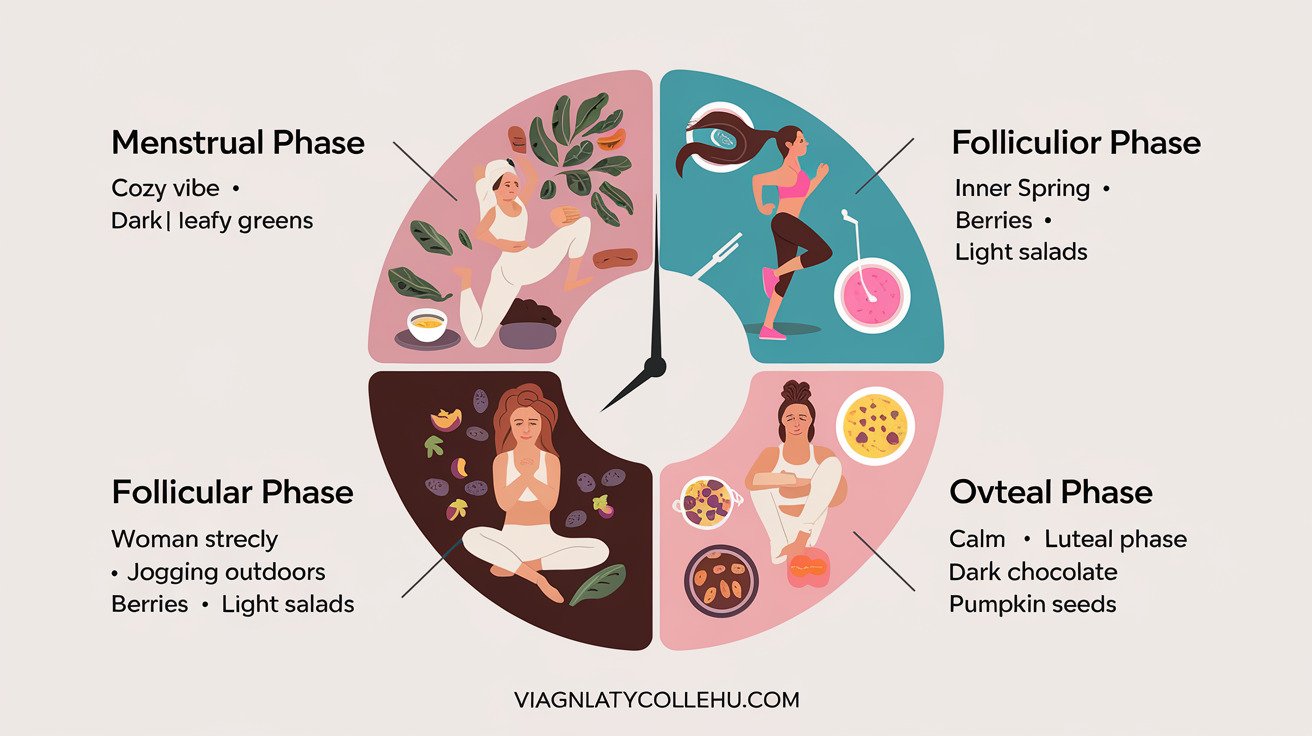
The menstrual cycle is typically divided into four phases: menstrual, follicular, ovulatory, and luteal. Each phase is characterized by distinct hormonal changes that influence the body in various ways. The menstrual phase is when the body sheds the uterine lining, resulting in bleeding. The follicular phase follows, where the body starts to produce more estrogen, leading to increased energy. Ovulation occurs when an egg is released, typically around day 14 of a 28-day cycle, marking the peak estrogen levels. The luteal phase then begins, where the body prepares for a potential pregnancy by producing progesterone.
Hormonal Fluctuations Throughout the Month
Hormonal fluctuations play a crucial role in the menstrual cycle. Estrogen and progesterone levels surge and drop at different times, affecting not just reproductive health, but also energy, mood, and physical performance. Understanding these changes can help women tailor their lifestyle choices to their cycle.
How Your Cycle Affects Energy, Mood, and Performance
The fluctuations in hormonal levels throughout the cycle can significantly impact energy levels, mood, and physical performance. For instance, during the follicular phase, increased estrogen can boost energy and confidence. In contrast, the luteal phase may bring about feelings of fatigue and mood swings due to the rise in progesterone. By acknowledging these patterns, women can better plan their activities and self-care.
What is Cycle Syncing and Why It Matters
By aligning workouts and nutrition with the menstrual cycle, cycle syncing offers a personalized approach to health and fitness. This method acknowledges the physiological changes that occur throughout the cycle and leverages them to enhance performance, well-being, and overall health.
The Science Behind Cycle Syncing
Cycle syncing is grounded in the understanding of hormonal fluctuations throughout the menstrual cycle. Estrogen and progesterone levels vary significantly across the cycle, influencing energy, mood, and physical performance. By syncing workouts and nutritional intake with these hormonal changes, women can optimize their fitness regimens and dietary needs.
Benefits of Aligning Workouts and Nutrition with Your Cycle
Aligning workouts and nutrition with the menstrual cycle can lead to numerous benefits, including improved energy levels, enhanced physical performance, and better overall health. By working in harmony with the body’s natural rhythms, women can achieve their fitness goals more effectively and maintain a balanced nutritional intake.
Who Can Benefit from Cycle Syncing
Cycle syncing is beneficial for most women, particularly those experiencing menstrual irregularities, mood swings, or energy fluctuations. Athletes and individuals with demanding fitness regimens can also gain from tailoring their workouts to their cycle, potentially improving performance and reducing the risk of injury.
In conclusion, cycle syncing presents a promising approach to personalized health and fitness. By understanding and working with the menstrual cycle, women can unlock new levels of well-being and performance.
Cycle Syncing: Workout & Nutrition Tips for Each Phase of Your Period
Embracing cycle syncing means tuning into your body’s natural rhythms to optimize your workouts and nutrition. By understanding and working with your menstrual cycle, you can create a more balanced and effective fitness routine.
Getting Started with Cycle Syncing
To start cycle syncing, begin by understanding the four phases of your menstrual cycle: menstrual, follicular, ovulatory, and luteal. Each phase has distinct hormonal fluctuations that affect your energy, mood, and performance. Tracking your cycle is crucial to identify these phases and plan your workouts and nutrition accordingly.
- Keep a cycle diary or use a period tracking app to monitor your cycle.
- Note your energy levels, mood, and physical symptoms throughout your cycle.
- Adjust your workouts and nutrition based on the phase you’re in.
Tracking Your Cycle for Optimal Results
Effective cycle tracking involves more than just noting the days of your period. It includes observing your body’s physical and emotional changes. Pay attention to your basal body temperature, cervical mucus, and any symptoms like cramps or bloating. This information will help you better understand your cycle and make informed decisions about your workouts and nutrition.
Some recommended methods for tracking your cycle include:
- Using a basal body thermometer to track changes in your temperature.
- Observing cervical mucus to identify fertile days.
- Utilizing a period tracking app that allows you to log symptoms and energy levels.
Setting Realistic Expectations Throughout Your Cycle
It’s essential to set realistic expectations when practicing cycle syncing. Understand that your energy levels and performance will vary throughout your cycle. Be flexible with your workout routine and don’t be too hard on yourself during phases when you’re feeling less energetic.
Some key tips for setting realistic expectations include:
- Being patient and observant as you learn your body’s rhythms.
- Adjusting your fitness goals according to the phase you’re in.
- Celebrating small victories and acknowledging the progress you make.
Menstrual Phase (Days1-5): Honoring Your Body’s Need for Rest
As you navigate the menstrual phase, understanding the physiological shifts can help you make informed decisions about your exercise and diet. This phase, which typically lasts from days 1 to 5 of your cycle, is characterized by significant hormonal changes that can impact your energy levels and overall well-being.
What’s Happening in Your Body
During the menstrual phase, your body is undergoing a process of shedding the uterine lining, leading to menstruation. This natural process is accompanied by hormonal fluctuations, particularly a decrease in estrogen and progesterone levels. These changes can result in varying levels of energy, mood swings, and physical discomfort for some women.
Optimal Workout Types and Intensity
Given the potential for lower energy levels and physical discomfort, it’s essential to adjust your workout routine during the menstrual phase. Opting for low-intensity exercises can help you stay active without exerting too much strain on your body.
Recommended Exercises
- Light yoga or stretching to improve flexibility and reduce cramps
- Short walks or light cardio to maintain circulation
- Bodyweight exercises that are low-impact
Exercises to Avoid
- High-intensity interval training (HIIT)
- Heavy weightlifting
- High-impact aerobics
Nutrition Needs and Recommendations
Nutrition plays a crucial role during the menstrual phase, as your body requires specific nutrients to support its needs and alleviate symptoms associated with menstruation.
Foods to Emphasize
- Iron-rich foods to replenish lost iron
- Foods high in omega-3 fatty acids to reduce inflammation
- Complex carbohydrates for sustained energy
Foods to Minimize
- High-sugar foods that can exacerbate mood swings
- Caffeine, which can increase anxiety and disrupt sleep
- Processed foods that are high in unhealthy fats and sodium
To better understand how different nutrients can support your body during the menstrual phase, consider the following nutritional highlights:
| Nutrient | Benefit | Food Sources |
|---|---|---|
| Iron | Replenishes iron lost during menstruation | Red meat, spinach, lentils |
| Omega-3 Fatty Acids | Reduces inflammation and alleviates cramps | Salmon, flaxseeds, walnuts |
| Complex Carbohydrates | Provides sustained energy | Oats, quinoa, whole grain bread |
By paying attention to your body’s needs during the menstrual phase and making informed choices about your workout and nutrition, you can better support your overall health and well-being.
Follicular Phase (Days6-14): Building Energy and Strength
With the onset of the follicular phase, you’ll likely notice a significant boost in your energy levels, ideal for ramping up your strength training. This phase, which typically spans from days 6 to 14 of your menstrual cycle, is characterized by rising estrogen levels, contributing to increased energy and a heightened sense of well-being.
What’s Happening in Your Body
During the follicular phase, your body starts to produce more estrogen, leading to improved muscle strength and endurance. This hormonal shift creates an optimal environment for more intense workouts.
Optimal Workout Types and Intensity
As your energy levels increase, it’s beneficial to incorporate strength training into your routine. This can include weightlifting, resistance band exercises, or bodyweight exercises that challenge your muscles.
Recommended Exercises
- Weightlifting: Focus on compound exercises like squats, deadlifts, and bench presses to build overall strength.
- High-Intensity Interval Training (HIIT): Incorporate HIIT sessions to capitalize on your increased energy levels and boost cardiovascular fitness.
- Yoga and Pilates: While strength training is key, maintaining flexibility and core strength through yoga or Pilates can be highly beneficial.
Exercises to Avoid
While it’s a good time to challenge yourself, avoid exercises that cause excessive strain or discomfort. Listen to your body and adjust your routine accordingly.
Nutrition Needs and Recommendations
Nutrition plays a crucial role in supporting your increased energy expenditure and muscle growth during the follicular phase. Focus on a balanced diet rich in proteins, complex carbohydrates, and healthy fats.
Foods to Emphasize
- Protein-Rich Foods: Include lean meats, fish, eggs, and plant-based proteins to support muscle repair and growth.
- Complex Carbohydrates: Whole grains, fruits, and vegetables provide sustained energy and essential nutrients.
- Healthy Fats: Nuts, seeds, avocados, and olive oil support overall health and hormone production.
Foods to Minimize
Limit your intake of processed foods, sugars, and saturated fats, which can hinder your performance and recovery. As one fitness expert notes,
“A balanced diet is key to optimizing your workout results and overall well-being.”
By aligning your workout routine and nutrition plan with the physiological changes during the follicular phase, you can maximize your energy and strength gains, setting a positive trajectory for the rest of your cycle.
Ovulatory Phase (Days15-17): Maximizing Your Peak Energy
During the ovulatory phase, which usually takes place from days 15 to 17, your body experiences a peak in energy, making it an ideal time to intensify your workouts. This surge is largely due to the increase in luteinizing hormone (LH) and estrogen levels, which not only boost your energy but also enhance your physical performance and confidence.
What’s Happening in Your Body
In this phase, your body is preparing for potential fertilization. The rise in estrogen levels contributes to increased collagen production, improving skin health and potentially enhancing your workout performance due to better muscle and tendon resilience.
Optimal Workout Types and Intensity
With your energy levels at their peak, it’s the perfect time to engage in more intense and demanding workouts. High-Intensity Interval Training (HIIT) and strength training are highly recommended as they capitalize on your increased energy and strength.
Recommended Exercises
- Squats
- Deadlifts
- Bench Press
- HIIT workouts like sprint intervals
Exercises to Avoid
While it’s tempting to push your limits, it’s essential to avoid exercises that could put excessive strain on your joints. Activities like heavy weightlifting or high-impact aerobics should be moderated to prevent injury.
Nutrition Needs and Recommendations
Nutrition plays a crucial role in maximizing your performance during the ovulatory phase. Focus on consuming a balanced diet rich in proteins, healthy fats, and complex carbohydrates.
Foods to Emphasize
- Lean proteins like chicken and fish
- Complex carbohydrates such as quinoa and brown rice
- Healthy fats found in avocados and nuts
Foods to Minimize
It’s advisable to limit foods that could cause bloating or discomfort during intense workouts. This includes reducing intake of carbonated drinks and high-sugar foods.
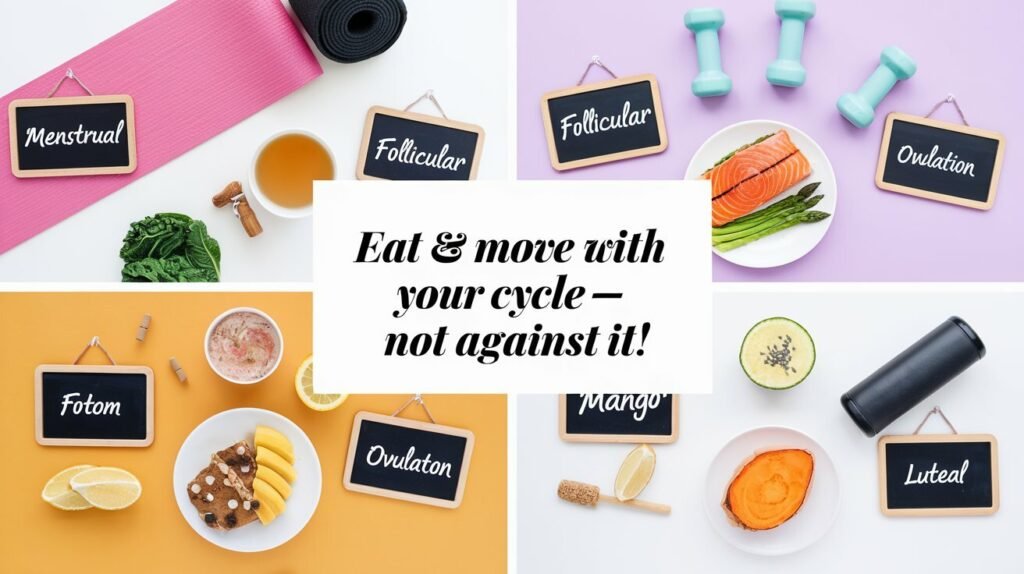
By aligning your workout intensity and nutrition with the physiological changes during the ovulatory phase, you can maximize your peak energy levels, enhancing both performance and recovery.
Luteal Phase (Days18-28): Supporting Your Body’s Transition
As you enter the luteal phase, your body starts preparing for a potential pregnancy, and it’s crucial to adjust your workouts and nutrition accordingly. This phase, which typically spans from days 18 to 28 of your menstrual cycle, is characterized by significant hormonal shifts that can affect your energy levels, mood, and overall physical performance.
What’s Happening in Your Body
During the luteal phase, the hormone progesterone levels rise, which can lead to increased fatigue, mood swings, and changes in appetite. It’s essential to be gentle with your body and make necessary adjustments to support your well-being.
Optimal Workout Types and Intensity
While it’s tempting to maintain the same level of intensity as during the ovulatory phase, it’s generally recommended to scale back your workouts during the luteal phase. Your body may not be as responsive to high-intensity exercises due to the increase in progesterone.
Recommended Exercises
- Low-impact cardio such as walking or swimming
- Yoga or Pilates for flexibility and relaxation
- Light strength training to maintain muscle tone
Exercises to Avoid
- High-intensity interval training (HIIT)
- Heavy weightlifting
- High-impact aerobics
Nutrition Needs and Recommendations
Nutrition plays a vital role in supporting your body during the luteal phase. It’s recommended to focus on nutrient-dense foods that can help alleviate symptoms associated with this phase.
Foods to Emphasize
- Complex carbohydrates like whole grains and sweet potatoes
- Lean proteins such as chicken, fish, and tofu
- Healthy fats found in nuts, seeds, and avocados
Foods to Minimize
- High-sugar foods and drinks
- Caffeine and processed foods
- High-sodium foods
By making informed choices about your workouts and nutrition during the luteal phase, you can better support your body’s transition and potentially alleviate some of the discomforts associated with this phase.
| Nutritional Element | Recommended Foods | Benefits |
|---|---|---|
| Complex Carbohydrates | Whole grains, sweet potatoes | Helps stabilize blood sugar and mood |
| Lean Proteins | Chicken, fish, tofu | Supports muscle health and satisfaction |
| Healthy Fats | Nuts, seeds, avocados | Aids in hormone production and satisfaction |
“Listening to your body and making adjustments according to your cycle can significantly improve your overall well-being and performance.”
Common Challenges and How to Overcome Them
Syncing your workout routine and nutrition plan with your menstrual cycle can be daunting, but understanding the challenges is the first step to success. While many women benefit from cycle syncing, others may face obstacles that make it difficult to maintain a consistent routine.
Adapting to Irregular Cycles
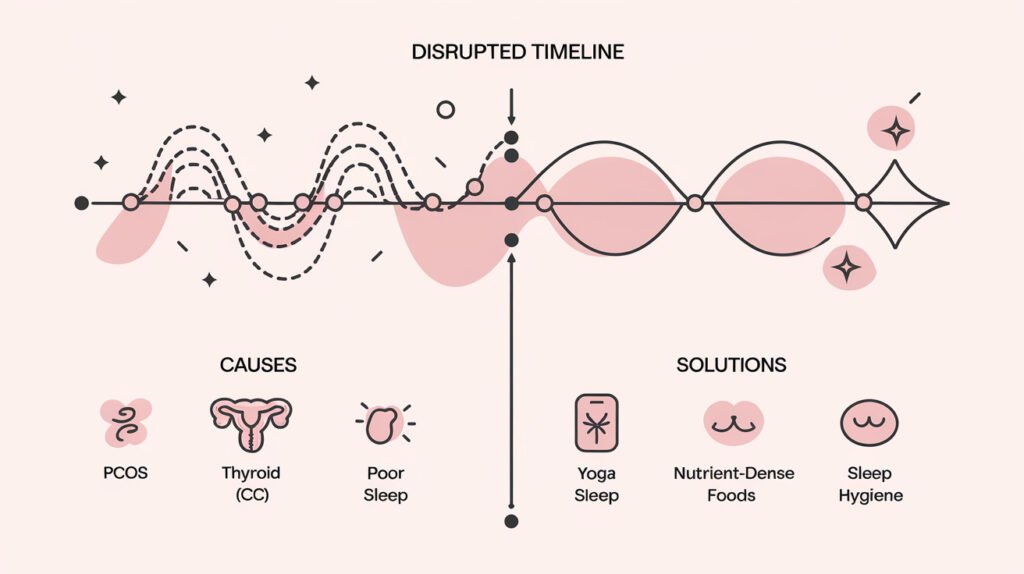
One of the primary challenges women face is irregular cycles, which can make it difficult to predict and plan workouts and nutrition accordingly. To adapt, consider using a combination of calendar tracking and physical symptom tracking to better understand your cycle. This can help you identify patterns and make informed decisions about your routine.
Hormonal Birth Control Considerations
Hormonal birth control can also impact cycle syncing, as it can affect hormonal fluctuations and menstrual cycle regularity. If you’re using hormonal birth control, consult with your healthcare provider to understand how it may be influencing your cycle and adjust your routine accordingly.
Balancing Cycle Syncing with Fitness Goals
Another challenge is balancing cycle syncing with fitness goals. To achieve this balance, prioritize your fitness objectives while still being mindful of your body’s needs during different phases of your cycle. For example, during intense training periods, you may need to adjust your nutrition plan to support your energy needs.
By understanding these challenges and implementing strategies to overcome them, you can successfully sync your workouts and nutrition with your menstrual cycle and achieve your overall wellness goals.
Conclusion
By understanding and working with your menstrual cycle, you can unlock a more balanced approach to workouts and nutrition. The practice of cycle syncing offers numerous benefits, from improved energy levels to enhanced overall well-being.
A summary of benefits includes increased efficiency in workouts, better nutrition planning, and a more intuitive understanding of your body’s needs. By aligning your fitness and nutrition strategies with your cycle, you can optimize your performance and support your overall health.
As you embark on your cycle syncing journey, remember that patience and flexibility are key. Be prepared to adapt your approach as needed, and don’t hesitate to seek guidance from healthcare professionals or certified fitness experts.
In conclusion, cycle syncing is a powerful tool for women seeking to harmonize their fitness and nutrition with their natural cycles. By embracing this approach, you can experience a more balanced, effective, and sustainable path to achieving your health and wellness goals, ultimately leading to a cycle syncing conclusion that enhances your overall quality of life.
FAQ
What is cycle syncing and how does it work?
How do I track my menstrual cycle for cycle syncing?
Can I still benefit from cycle syncing if I have an irregular cycle?
How does hormonal birth control affect cycle syncing?
Can cycle syncing help with fitness goals like weight loss or muscle gain?
Is cycle syncing only beneficial for women with a regular menstrual cycle?
How long does it take to see benefits from cycle syncing?
editor's pick
latest video

news via inbox
Nulla turp dis cursus. Integer liberos euismod pretium faucibua


