
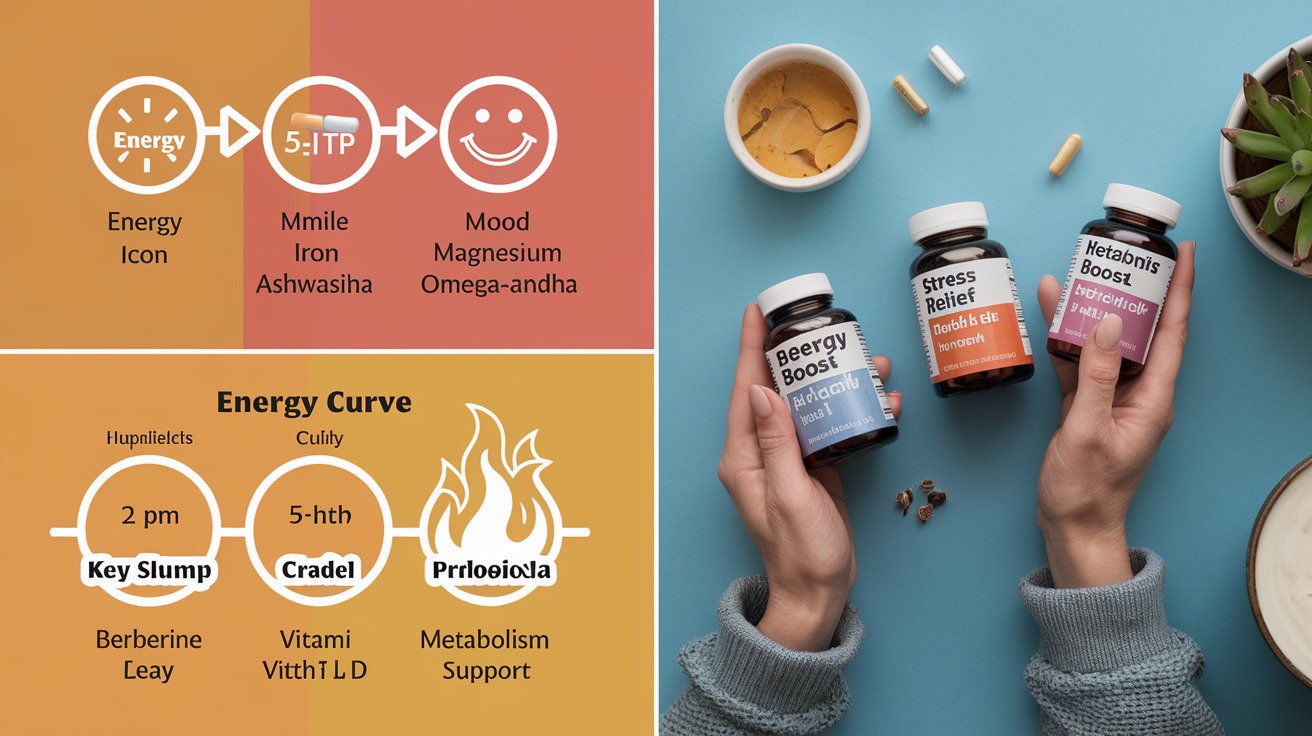
The Best Supplements for Women’s Energy, Mood & Metabolism
Are you tired of feeling drained and fatigued? Do you struggle to maintain your energy levels throughout the day? You’re not alone. Many women experience a decline in energy due to hormonal fluctuations, and it can be challenging to know where to turn.
Certain vitamins and supplements can help support your body’s physiology, boosting your energy and overall well-being. In this comprehensive guide, we’ll explore the most effective supplements designed to address women’s unique energy, mood, and metabolic needs.
Key Takeaways
- Understand how hormonal changes impact your energy and mood.
- Discover evidence-based supplements to support energy and mood balance.
- Learn how to identify quality supplements and potential interactions.
- Find out when to consult healthcare providers for personalized recommendations.
- Get a clear understanding of supplements that support your specific needs.
Understanding Women’s Energy, Mood, and Metabolism Needs
Understanding the unique physiological factors that influence women’s energy, mood, and metabolism is essential for maintaining overall health. Women’s bodies undergo various changes throughout their lives, impacting their energy levels and overall well-being.
Unique Physiological Factors in Women
Women’s physiological makeup is distinct from men’s, with factors such as hormonal fluctuations playing a significant role in their energy and metabolic health. Several key physiological factors contribute to the complex interplay of women’s energy, mood, and metabolism.
- Fluctuations in estrogen and progesterone throughout the menstrual cycle can cause significant variations in energy levels, often leading to fatigue before and during menstruation.
- Thyroid hormones, crucial for regulating metabolism and energy production, can become imbalanced, particularly during pregnancy and menopause.
- Cortisol, the stress hormone, affects energy levels differently in women than men, with women showing greater sensitivity to stress-induced fatigue.

How Hormonal Changes Impact Energy Levels
Hormonal changes during midlife can significantly impact women’s energy levels, often leading to fatigue. The decline in estrogen levels during perimenopause and menopause can disrupt sleep patterns, leading to night sweats and increased fatigue, creating a cycle of energy depletion.
Moreover, insulin resistance, which becomes more common in women after menopause, can lead to energy crashes and persistent fatigue. Understanding these hormonal influences on energy allows for more targeted supplementation strategies to support women’s changing needs throughout different life stages.
By recognizing the impact of hormonal changes on energy levels, women can take proactive steps to manage their energy and maintain their overall health.
How Supplements Support Energy Production
To comprehend how supplements support energy production, it’s essential to delve into the science behind energy metabolism. Energy production in the human body is a complex process involving the conversion of nutrients into usable energy.
The Science Behind Energy Metabolism
Energy metabolism encompasses various biochemical processes that convert nutrients into energy. Vitamins and minerals play a crucial role in these processes, acting as cofactors for enzymes involved in energy production pathways.
For instance, B vitamins are essential for the metabolism of carbohydrates, fats, and proteins. A deficiency in these vitamins can lead to impaired energy production, resulting in fatigue and reduced vitality.
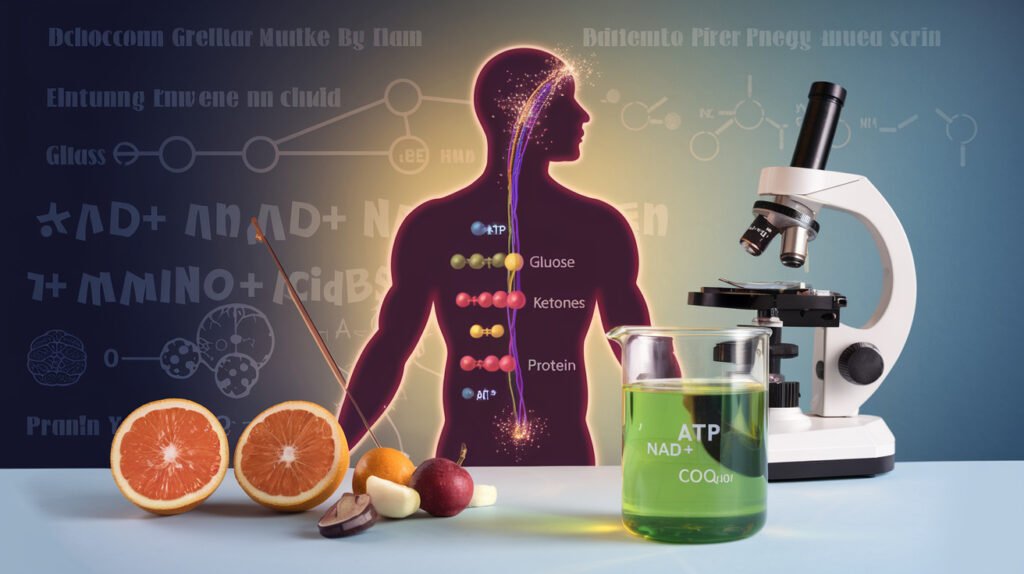
- Women are particularly susceptible to specific nutrient deficiencies, including iron, B vitamins, vitamin D, and magnesium, which can significantly impact energy levels.
- Research indicates that even subclinical nutrient deficiencies can cause noticeable fatigue and reduced vitality.
Nutrient Gaps and Their Impact on Vitality
Nutrient gaps occur when the diet fails to provide adequate amounts of essential nutrients. Factors contributing to these gaps include dietary restrictions, absorption issues, and increased physiological demands during menstruation, pregnancy, and menopause.
Modern food processing and agricultural practices have also reduced the nutrient density of many foods, making it challenging to obtain optimal levels of certain nutrients through diet alone.
- Targeted supplementation can help bridge these nutrient gaps, supporting energy production pathways.
- Identifying specific nutrient gaps through symptom assessment or laboratory testing can help determine which supplements will be most beneficial for energy needs.
By understanding and addressing these nutrient gaps, individuals can take a proactive approach to maintaining optimal energy levels and overall well-being.
Essential Vitamins for Women’s Energy
The right vitamins can significantly boost energy levels in women, enhancing overall well-being. Vitamins play a crucial role in energy production, and understanding which ones are essential can help you make informed decisions about your diet and supplements.
Vitamin B Complex: The Energy Powerhouse
Vitamin B complex is a group of vitamins that are vital for energy production. They help convert food into energy and are essential for the metabolism of fats, carbohydrates, and proteins.

Vitamin D: The Sunshine Vitamin
Vitamin D is another crucial vitamin for energy. It helps regulate energy levels and is important for overall health. Many women are deficient in vitamin D, especially during the winter months.

Other Key Vitamins for Energy Production
Besides vitamin B complex and vitamin D, other vitamins like C, E, A, and K2 play significant roles in energy production. Vitamin C helps in iron absorption and acts as an antioxidant. Vitamin E protects cells from damage and supports mitochondrial function.
- Vitamin C: Facilitates iron absorption and supports adrenal function.
- Vitamin E: Protects mitochondria from oxidative damage.
- Vitamin A: Supports thyroid function, regulating metabolism.
- Vitamin K2: Works synergistically with vitamin D to support energy metabolism.
These vitamins work best when consumed together through a nutrient-dense diet or a comprehensive multivitamin formulated specifically for women’s energy needs.
Iron: A Critical Mineral for Women’s Energy
As a crucial mineral, iron is essential for transporting oxygen throughout your body, directly impacting your energy and overall well-being. Your iron needs vary depending on your life stage; for instance, perimenopausal women require about 18 milligrams (mg) of iron daily through their diet, while postmenopausal women need only 8 mg per day.
Iron Deficiency and Fatigue in Women
Iron deficiency anemia (IDA) is a common condition among women, often resulting in persistent fatigue. IDA is diagnosed through a simple blood test, and if you’re found to be deficient, your healthcare provider may recommend increasing your iron intake through iron-rich foods or supplements.
Iron is vital for the production of hemoglobin, a protein in red blood cells that carries oxygen to different parts of your body. Without sufficient iron, your body can’t produce enough healthy oxygen-carrying red blood cells, leading to fatigue and other health issues.
Best Iron Supplements and Food Sources
Iron supplements come in various forms, including ferrous sulfate, ferrous gluconate, and ferrous fumarate, each with different levels of elemental iron and absorption rates. Iron bisglycinate is a newer form that offers good absorption with fewer digestive side effects.
To enhance iron absorption, consume vitamin C-rich foods or supplements along with iron-rich foods. Conversely, calcium, tea, coffee, and certain medications can inhibit iron absorption.
Food sources of iron include both heme (animal-based) sources like red meat, liver, and shellfish, and non-heme (plant-based) sources such as lentils, spinach, and fortified cereals. Examples of iron-rich foods are:
- Meat
- Legumes
- Spinach
- Tofu
- Dark chocolate
- Potatoes
- Whole-grain fortified breakfast cereal
It’s crucial to have your iron levels tested before supplementing, as excess iron can cause oxidative damage to cells.
Magnesium: The Relaxation Mineral That Boosts Energy
The importance of magnesium in supporting energy production and overall well-being cannot be overstated. Magnesium is a mineral that is crucial for numerous bodily functions, including energy production, nerve function, and muscle relaxation. Despite its importance, many women do not consume enough magnesium through their diet alone.
How Magnesium Affects Energy Levels
Magnesium plays a vital role in energy production by helping to convert food into energy. It is involved in the production of ATP (adenosine triphosphate), the molecule that provides energy to cells. A deficiency in magnesium can lead to fatigue, weakness, and a general feeling of being unwell. Moreover, magnesium helps regulate the body’s internal clock and supports the health of the nervous system, both of which are crucial for maintaining energy levels.
There are several forms of magnesium supplements, each with different benefits. For instance, magnesium glycinate is known for being gentle on the stomach, while magnesium citrate supports digestion. The choice of supplement can depend on individual needs and health status.
Optimal Magnesium Supplementation
The optimal dosage of magnesium for women typically ranges from 310 to 320 mg daily. However, individual needs may vary based on factors such as age, activity level, and health conditions. Timing of supplementation is also important; taking magnesium in the evening can support sleep quality, which in turn can improve daytime energy levels. It’s recommended to take magnesium supplements consistently for at least 6-8 weeks to notice significant improvements in energy levels.
When choosing a magnesium supplement, it’s crucial to consider the quality of the product. Look for supplements that have been third-party tested to ensure purity and potency. The form of magnesium used can also impact its effectiveness, with some forms having higher bioavailability than others.
Other Essential Minerals for Metabolism
Essential minerals, including zinc and calcium, contribute significantly to women’s energy levels and metabolic health. These minerals play crucial roles in various bodily functions that affect how the body produces and utilizes energy.
Zinc and Its Role in Energy Production
Zinc is a vital mineral that supports numerous aspects of health, including energy production. It is involved in the functioning of many enzymes that are crucial for metabolic pathways. Adequate zinc levels are necessary for maintaining optimal energy levels and overall metabolic health.

Research has shown that zinc deficiency can lead to impaired energy production and decreased metabolic rate. Ensuring adequate zinc intake through diet or supplementation can help support energy levels and overall health.
Calcium and Metabolic Health
Calcium is well-known for its role in bone health, but it also plays a significant role in energy metabolism. Emerging research suggests that calcium may be vital for healthy metabolism and blood sugar management. A 2024 systematic review found that calcium supplementation resulted in a small reduction in BMI, waist circumference, and body fat mass.
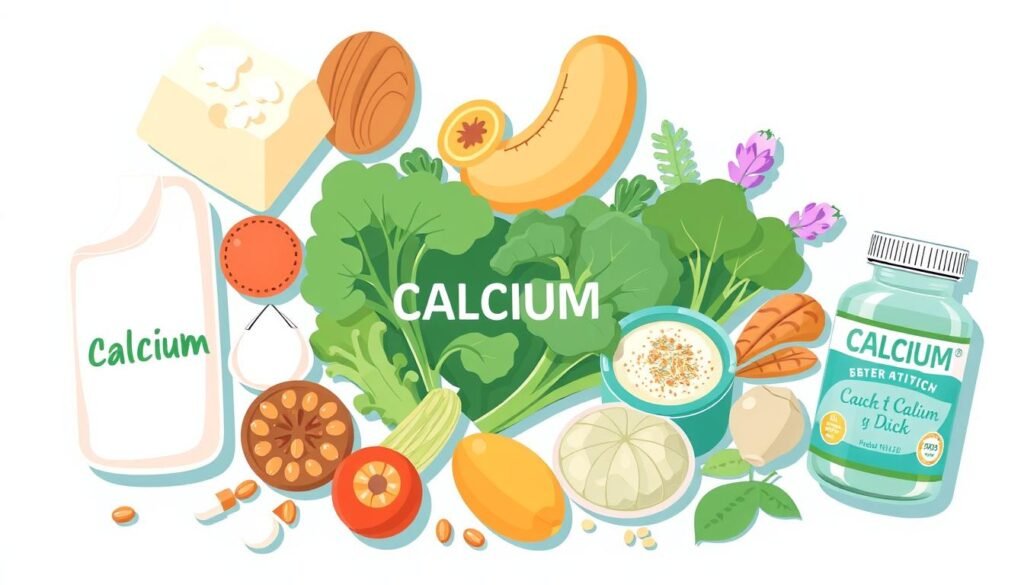
Calcium’s role in energy metabolism extends beyond its function in bone health. It is involved in the regulation of energy metabolism through its effects on thyroid function and insulin sensitivity. Adequate calcium levels may help optimize fat metabolism and support healthy weight management in women.
Key points to consider about calcium and metabolic health include: – Calcium plays a crucial role in energy metabolism beyond its well-known function in bone health. – This essential mineral is involved in the regulation of energy metabolism through its effects on thyroid function and insulin sensitivity. – Research suggests that adequate calcium levels may help optimize fat metabolism and support healthy weight management. – Calcium works in concert with vitamin D to regulate hundreds of metabolic processes. – Emerging research indicates that calcium may help regulate adipocyte function and thermogenesis. – While supplementation may be beneficial, obtaining calcium from dietary sources is generally preferred. – The recommended daily intake of calcium for women ranges from 1,000-1,200 mg depending on age.
The Best Supplements for Women’s Energy, Mood & Metabolism
The journey to improved energy and metabolism involves understanding the right supplements that cater to women’s unique physiological needs. As women age, their nutritional requirements change, making it essential to choose supplements that address their specific health goals.
Top Combination Supplements for Overall Wellness
Combination supplements offer a comprehensive approach to supporting women’s health by providing a blend of vitamins, minerals, and other nutrients. These formulas are designed to fill nutritional gaps and support energy production, mood stability, and metabolic health.
For instance, reproductive-age women often benefit from supplements that support iron stores, B vitamin levels, and hormonal balance. These nutrients help maintain energy through menstrual cycles.
Key Ingredients in Combination Supplements
Effective combination supplements typically include a range of ingredients such as iron, B vitamins, vitamin D, and magnesium. These nutrients work synergistically to support energy production, bone health, and overall well-being.
Specialized Formulas for Different Life Stages
Women’s nutritional needs vary across different life stages, from reproductive years through menopause and beyond. Specialized supplement formulas are designed to address these changing needs.
For example, prenatal and postpartum formulas focus on higher levels of iron, folate, B12, and DHA to support the increased energy demands of pregnancy and breastfeeding. Perimenopause-specific supplements typically include adaptogens, magnesium, and B vitamins to help manage energy fluctuations and mood changes.
Post-menopausal women may benefit from formulas that support metabolism and energy production while addressing bone health with adequate calcium, vitamin D, and vitamin K2.
It’s also important to consider that women with specific health conditions, such as thyroid disorders or PCOS, may require specialized supplement formulations that address their unique metabolic challenges. Athletic women have different nutritional needs based on their training intensity, requiring higher amounts of certain minerals, B vitamins, and protein to support energy production and recovery.
Adaptogens for Energy and Stress Management
For women seeking natural ways to enhance energy and manage stress, adaptogens offer a promising solution. Adaptogenic herbs have been used for centuries to help the body adapt to stress and promote overall well-being.
Ashwagandha: The Stress-Fighting Energizer
Ashwagandha is an adaptogen that has been shown to help reduce stress and anxiety while improving energy levels. According to research, ashwagandha may help regulate cortisol levels, the body’s primary stress hormone. You can find more information on ashwagandha’s benefits on the National Institutes of Health Office of Dietary website.

Rhodiola and Ginseng: Natural Energy Boosters
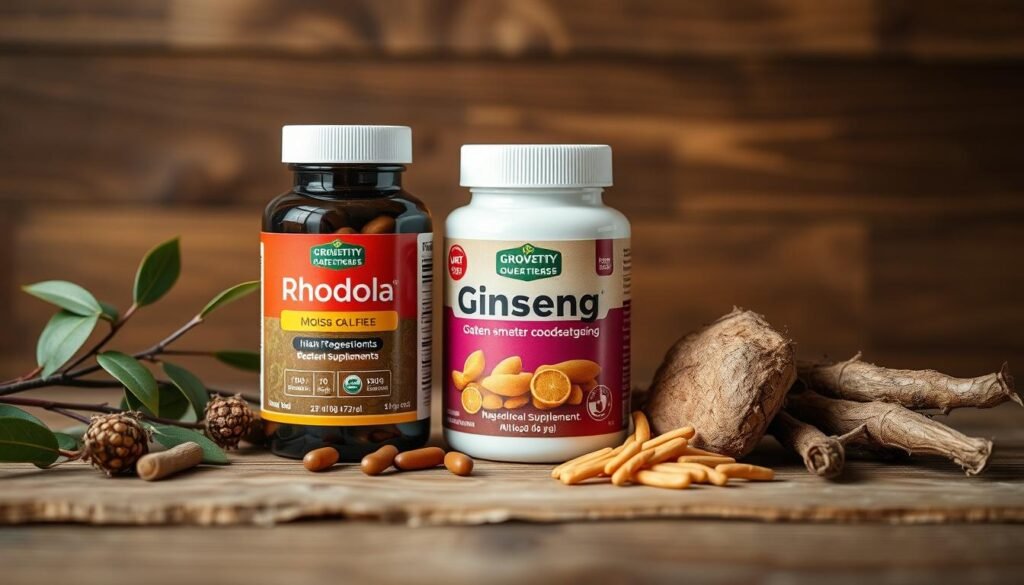
Rhodiola rosea and ginseng are two adaptogens that have gained attention for their potential to enhance energy and reduce fatigue. Rhodiola rosea has been shown in clinical studies to reduce fatigue and enhance mental performance, particularly during stressful situations. Ginseng, on the other hand, contains compounds that work on the nervous system, have antioxidant and anti-inflammatory properties, and help regulate cortisol.
Rhodiola works by increasing the body’s resistance to physical stressors, improving oxygen utilization, and enhancing cellular energy metabolism. A systematic review of 11 studies found that rhodiola supplementation significantly reduced physical and mental fatigue compared to placebo treatments. Ginseng, both American and Asian varieties, contains active compounds called ginsenosides that support energy production and help the body utilize oxygen more efficiently.
Supplements That Support Mood Regulation
Maintaining a healthy mood is crucial for overall well-being, and certain supplements can play a significant role in supporting mood regulation. Mood swings and emotional instability can be challenging to manage, but various supplements have been studied for their potential to stabilize and improve mood.
Omega-3 Fatty Acids for Brain Health

Omega-3 fatty acids are essential for brain health and have been shown to support mood regulation. These healthy fats, particularly EPA and DHA, play a crucial role in brain function and development. Research suggests that omega-3 supplementation can help alleviate symptoms of depression and anxiety, promoting a more balanced mood.
The anti-inflammatory properties of omega-3 fatty acids are believed to contribute to their mood-supporting effects. By reducing inflammation in the brain, omega-3s may help improve mood stability and overall mental well-being.
5-HTP and Other Mood-Enhancing Supplements

5-HTP (5-hydroxytryptophan) is an amino acid that serves as a precursor to serotonin, a neurotransmitter that regulates mood, appetite, and sleep. Clinical research suggests that 5-HTP supplementation may help increase serotonin levels in the brain, potentially improving mood and reducing fatigue associated with low mood.
Other supplements that may support mood regulation include SAMe (S-adenosyl-L-methionine), L-theanine, GABA (gamma-aminobutyric acid), and St. John’s Wort. Each of these supplements works through different mechanisms to support brain health and mood stability. For example, SAMe is involved in the production of neurotransmitters, while L-theanine promotes relaxation without sedation.
A systematic review of multiple mood-supporting supplements found that combining several approaches often yields better results than single-ingredient interventions for supporting both mood and energy. As with any supplement regimen, it’s essential to consult with a healthcare professional before starting new supplements, especially if you’re already taking medications or have underlying health conditions.
Metabolism-Boosting Supplements
To optimize your metabolism, it’s essential to understand the role of supplements in supporting energy production. Metabolism is a complex process that involves the breakdown of nutrients to produce energy. Certain supplements can help support this process, leading to enhanced energy levels and overall well-being.
Coenzyme Q10 for Cellular Energy
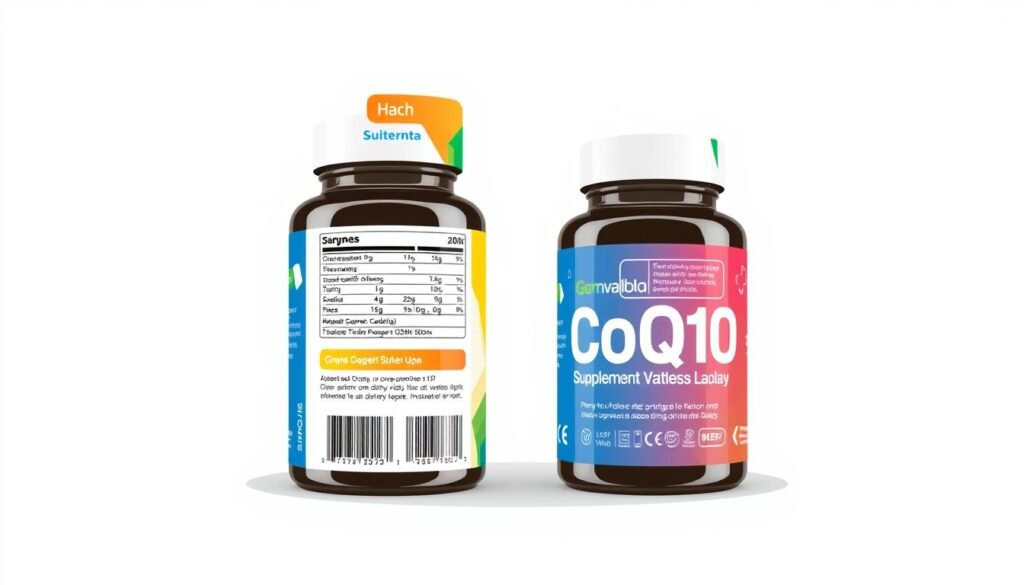
Coenzyme Q10 (CoQ10) is an antioxidant that protects the brain and reduces inflammation. Research on CoQ10’s effects on energy levels has yielded mixed results, with some studies indicating that taking at least 300 mg daily may help people with fibromyalgia. However, its impact on individuals without underlying conditions is less clear, and more research is needed to determine its effectiveness.
L-Carnitine and Other Metabolism Enhancers
L-Carnitine is an amino acid derivative that plays a crucial role in fat metabolism by transporting fatty acids into mitochondria, where they can be converted to energy. Research suggests that L-Carnitine supplementation may improve energy levels, particularly during exercise, by enhancing fat utilization for fuel.
Other metabolism-enhancing supplements include:
- Alpha-lipoic acid: A powerful antioxidant that enhances mitochondrial function and glucose metabolism, potentially improving energy production and metabolic efficiency.
- Chromium: A trace mineral that helps regulate blood sugar levels, potentially preventing energy crashes and supporting steady energy throughout the day.
- Green tea extract: Contains catechins and a moderate amount of caffeine that work synergistically to support metabolism and energy production.
- Medium-chain triglycerides (MCTs): Provide a readily available source of energy that can be quickly metabolized, supporting both brain and body energy levels.
While these supplements may support metabolic function, they work best when combined with a nutrient-dense diet and regular physical activity for sustainable energy enhancement.
How to Choose the Right Energy Supplements
Choosing the right energy supplement starts with understanding your individual health needs and goals. It’s about identifying what your body lacks and finding a supplement that addresses those specific needs.

Quality Indicators and Third-Party Testing
When selecting an energy supplement, it’s crucial to look for quality indicators. One of the most important is third-party testing. This process involves independent organizations verifying the supplement’s contents and purity. “Third-party testing is essential for ensuring that the supplement you’re taking is safe and effective,” as it provides an unbiased assessment of the product’s quality.
To ensure you’re getting a high-quality supplement, look for products that have been tested by reputable third-party organizations. This can provide peace of mind and help you make an informed decision about your health.
Personalization Based on Individual Needs
Your body’s needs are unique, and what works for someone else may not work for you. Factors such as your life stage, activity levels, and existing health conditions all play a role in determining the best energy supplement for you.
- Consider your life stage (reproductive years, perimenopause, postmenopause) when selecting supplements, as nutritional needs change significantly throughout a woman’s life.
- Activity level and exercise habits should inform supplement choices, as athletes and highly active women have different nutritional requirements than sedentary individuals.
- Existing health conditions like thyroid disorders, autoimmune conditions, or digestive issues may affect nutrient absorption and metabolism, requiring specialized supplement approaches.
By taking these factors into account and consulting with a healthcare professional, you can find an energy supplement that meets your specific needs and supports your overall health and treatment goals.
Safety Considerations and Potential Interactions
When considering supplements for energy, mood, and metabolism, it’s crucial to be aware of potential interactions and safety considerations. As you incorporate new supplements into your daily routine, understanding how they might interact with other medications or exacerbate health conditions is vital for your overall well-being.

Common Side Effects of Energy Supplements
While energy supplements can be beneficial, they can also cause side effects in some individuals. Common side effects may include digestive issues, allergic reactions, or interactions with other health conditions. For instance, high doses of certain vitamins or minerals can lead to adverse effects. It’s essential to be aware of these potential side effects to minimize risks.
- Iron supplements can cause gastrointestinal upset, including nausea and constipation.
- Magnesium can lead to diarrhea or stomach cramps in high doses.
- Vitamin B6, when taken in excess, may cause neurological symptoms such as numbness or tingling.
Being informed about these potential side effects allows you to make educated decisions about your supplement regimen.
Medication Interactions to Be Aware Of
One of the most critical safety considerations when taking energy supplements is their potential to interact with other medications. Certain supplements can either enhance or inhibit the effects of prescription drugs, leading to unforeseen consequences. For example:
- Iron supplements can reduce the absorption and effectiveness of certain antibiotics, thyroid medications, and Parkinson’s disease treatments.
- St. John’s Wort, sometimes used for mood support, interacts with numerous medications including antidepressants, birth control pills, blood thinners, and cancer drugs.
- Magnesium supplements can interfere with the absorption of certain antibiotics and osteoporosis medications if taken simultaneously.
To avoid potential interactions, it’s crucial to inform your healthcare provider about all supplements and medications you’re currently taking. This allows for a comprehensive review of your regimen and helps in creating a schedule that minimizes interaction risks while maximizing benefits.
By being aware of these potential interactions and taking proactive steps, you can safely incorporate energy supplements into your health routine.
Lifestyle Habits That Enhance Supplement Effectiveness
A well-rounded approach to health includes not just supplements, but also lifestyle choices that support energy production and metabolic health. By incorporating healthy habits into your daily routine, you can maximize the benefits of the supplements you’re taking.
Nutrition Strategies for Optimal Energy
Nourishing your body with the right foods is crucial for maintaining energy levels and supporting metabolic function. A balanced diet rich in whole foods, such as fruits, vegetables, whole grains, lean proteins, and healthy fats, provides the necessary building blocks for optimal energy production. Additionally, staying hydrated by drinking plenty of water throughout the day is essential for maintaining the body’s energy-producing processes.
Some key nutrition strategies include:
- Eating a variety of colorful fruits and vegetables to ensure a broad intake of vitamins and minerals.
- Incorporating lean protein sources, such as poultry, fish, and legumes, to support muscle health and energy production.
- Choosing whole grains over refined grains to maintain stable energy levels.
| Nutrient | Food Sources | Benefits |
|---|---|---|
| Iron | Red meat, spinach, beans | Essential for transporting oxygen to cells, supporting energy production. |
| Magnesium | Nuts, seeds, dark leafy greens | Important for energy production and nerve function. |
| Omega-3 Fatty Acids | Fatty fish, flaxseeds, walnuts | Supports heart health and may enhance mood. |
Exercise and Sleep for Enhanced Metabolism
Regular physical activity and quality sleep are foundational elements that can significantly enhance the effectiveness of supplements. Exercise not only boosts energy levels but also improves metabolic health by increasing mitochondrial function and enhancing the body’s ability to utilize nutrients from food and supplements. Aim for a mix of cardiovascular exercises, strength training, and flexibility workouts to support overall health.

Quality sleep is equally important, as it allows for cellular repair, hormone regulation, and energy restoration. Establishing a consistent sleep schedule and creating a sleep-conducive environment can help improve sleep quality. Aim for at least seven hours of sleep per night and consider practices like morning light exposure to help regulate your circadian rhythms.
Some effective strategies for enhancing metabolism through exercise and sleep include:
- Engaging in high-intensity interval training (HIIT) to improve metabolic flexibility.
- Incorporating strength training to build muscle mass, which can further support metabolic health.
- Prioritizing recovery periods between exercise sessions to allow the body to adapt and strengthen.
By combining these lifestyle habits with the right supplements, you can create a comprehensive approach to supporting your body’s energy needs and overall well-being.
When to Consult a Healthcare Provider
If you’re struggling with ongoing tiredness, knowing when to consult a healthcare professional is key. While supplements can support energy production, it’s crucial to identify and address any underlying medical conditions that may be contributing to your fatigue.
Signs That Fatigue May Indicate a Medical Condition
Fatigue can sometimes be a symptom of an underlying health issue that requires medical attention. It’s essential to be aware of the signs that your tiredness might be more than just a need for more energy. For instance, if you’re experiencing persistent fatigue alongside other symptoms like unexplained weight loss, changes in appetite, or difficulty concentrating, it’s vital to consult a healthcare provider.
Additionally, if you have a family history of certain medical conditions, such as thyroid disorders or anemia, and you’re experiencing fatigue, it’s a good idea to discuss this with your healthcare provider. They can help determine if your energy levels are related to a potential underlying condition.

Working with Healthcare Professionals on Supplementation
When it comes to supplementation, working with healthcare professionals can make a significant difference in the effectiveness and safety of the supplements you choose. Healthcare providers can offer personalized recommendations based on your specific health needs and lab test results. For example, they might suggest a comprehensive blood panel to check for nutrient deficiencies that could be contributing to your fatigue.
Different healthcare professionals can provide various perspectives on your energy issues. For instance:
- Functional medicine practitioners consider factors like hormonal balance, gut health, and nutrient status when recommending supplements.
- Registered dietitians can help develop personalized nutrition plans that complement your supplement regimen.
- Endocrinologists specialize in hormonal issues that may underlie energy problems, such as thyroid dysfunction.
By working closely with a healthcare provider, you can ensure that any supplements you take are safe, effective, and tailored to your individual needs. Regular follow-up appointments will also allow for adjustments to your supplement protocol as needed.
Common Mistakes to Avoid with Energy Supplements
Feeling drained every day is not just frustrating, it’s debilitating. In an attempt to regain your vitality, you might be making some common mistakes that could be working against your energy levels. Understanding these pitfalls is crucial to harnessing the benefits of energy supplements effectively.
One of the primary errors is expecting immediate results from energy supplements. Most supplements require consistent use for 4-8 weeks before noticeable benefits appear. Other mistakes include taking supplements inconsistently or forgetting doses, which prevents reaching therapeutic levels necessary for energy enhancement.
- Relying solely on supplements while neglecting fundamental lifestyle factors like nutrition, sleep, stress management, and physical activity.
- Self-diagnosing nutrient deficiencies without proper testing, potentially missing the true cause of fatigue or taking unnecessary supplements.
- Taking multiple supplements without considering potential interactions or redundancies in their formulations.
- Using energy supplements containing stimulants late in the day, which can disrupt sleep quality and create a cycle of fatigue.
Additionally, exceeding recommended dosages in hopes of faster results can lead to side effects and potential toxicity with certain supplements. It’s also crucial not to use supplements as a band-aid solution for pushing through exhaustion rather than as part of a comprehensive approach to sustainable energy.
To maximize the effectiveness of energy supplements, it’s essential to maintain a balanced diet, manage stress, and engage in regular physical activity. By avoiding these common mistakes and adopting a holistic approach, you can better support your energy levels and overall well-being.
Conclusion
To achieve sustainable energy levels, it’s crucial to support your body’s natural processes rather than relying on quick fixes. A well-rounded approach that incorporates targeted supplementation, nutrient-dense nutrition, quality sleep, stress management, and regular physical activity can significantly enhance your overall health and well-being.
Finding the right combination of vitamins and minerals to support your energy, mood, and metabolism requires a personalized strategy based on your unique physiology, lifestyle, and health goals. It’s essential to consult with healthcare professionals who understand women’s unique physiological needs to develop a safe and effective supplement protocol tailored to your specific challenges.
By understanding the science behind energy production and the specific nutrients that support it, you can make informed choices about which supplements will best serve your body’s needs each day. For instance, incorporating adaptogens like ashwagandha can help buffer stress and burnout, improving resilience and mood to promote energy. You can explore more about effective supplements on our website, such as the 10 must-have supplements for faster weight loss backed by.
With the right approach to supplementation and lifestyle optimization, many women experience substantial improvements in energy levels, mood stability, and metabolic function within 2-3 months. Remember, sustainable energy comes from supporting your body’s natural processes, and by making informed choices, you can enjoy a healthier and more balanced life every day.
FAQ
What are the most common nutrient deficiencies that affect women’s energy levels?
How do hormonal changes during the menstrual cycle affect energy levels?
Can supplements interact with medications or exacerbate underlying health conditions?
What are the benefits of adaptogenic herbs like ashwagandha and rhodiola for energy and stress management?
How can I ensure I’m getting high-quality supplements that are safe and effective?
Can lifestyle habits like exercise and nutrition impact the effectiveness of energy supplements?
What are some signs that fatigue may indicate an underlying medical condition?
How can I personalize my supplement regimen to meet my individual needs?
editor's pick
latest video

news via inbox
Nulla turp dis cursus. Integer liberos euismod pretium faucibua


