

Breaking into Freelancing: Your Journey Starts Here
Imagine being your own boss, choosing projects that excite you, and working from anywhere in the world. For many, this dream is becoming a reality as freelancing continues to grow, with about 64 million Americans offering freelance services in 2023, according to a recent Upwork survey. This significant shift in the workforce is not just a trend; it’s a career revolution.
You don’t need extensive experience to get started in freelancing. What you need is a clear understanding of your marketable skills and a strategic approach to showcasing them. As a beginner, you can leverage your existing talents to attract your first client. The key is to understand the freelance marketplace and position yourself effectively within it.
Key Takeaways
- Discover how to identify and leverage your marketable skills for freelancing.
- Learn strategies for building a portfolio that attracts clients.
- Understand how to find and secure your first freelance client.
- Get insights into setting appropriate rates for your freelance work.
- Explore real-life examples of successful freelancers who started from scratch.
The Reality of Starting Your Freelance Journey
Starting a freelance career can feel like navigating uncharted territory, but with the right mindset, you can find your way. The initial phase of freelancing often feels intimidating, with many beginners believing they need years of experience to find clients and make money. However, this perception is not entirely accurate.
Why Experience Isn’t Always Necessary
Many clients value qualities other than formal experience when hiring freelancers. Your transferable skills from previous jobs or personal experiences can be more valuable than formal credentials in the freelance business. For instance, skills such as communication, problem-solving, and time management are highly sought after. As Chris Coyier, founder of CodePen, once said,
“The most important thing for a freelancer is to be able to communicate effectively with clients.”
This emphasizes the importance of skills that may not be directly related to the job but are crucial for success.
Moreover, your personal talents and abilities can also be monetized. Whether it’s writing, graphic design, or web development, there’s likely a market for your skillset. By focusing on your strengths and the value you can bring to clients, you can establish a successful freelance career even without extensive experience.
Setting Realistic Expectations for Your First Clients
Setting realistic expectations is crucial when starting your freelance journey. It’s essential to understand that landing your first client won’t happen overnight. It takes time, effort, and perseverance. You should be prepared to invest time in building your portfolio, networking, and marketing your services. As the saying goes, “Rome wasn’t built in a day.” Similarly, your freelance business will take time to grow.
When it comes to income expectations, new freelancers should be cautious not to set their sights too high initially. It’s more practical to start with modest financial goals and gradually increase your rates as you gain experience and build your client base. Leveraging your existing network, including family and friends, can also be a viable strategy for finding your initial clients without feeling like you’re imposing.
Identifying Your Marketable Skills
As you start your freelance journey, understanding your marketable skills is crucial. You might be wondering how your past experiences can translate into a successful freelance career. The key is to identify the skills you’ve developed that are valuable to potential clients.
Transferable Skills from Previous Jobs
Even if you’ve never worked as a freelancer, your previous jobs have given you skills that are transferable. For example, if you’ve worked in customer service, you’re likely skilled in communication and problem-solving. These soft skills are highly valued by clients. Analyze your past work experiences, including the ones you might not have enjoyed, to identify these transferable skills.
Personal Talents You Can Monetize
You have personal talents that can be monetized, even if you haven’t considered them as marketable skills. Perhaps you have a talent for writing, graphic design, or coding. These talents can be valuable services to offer to clients. Take an inventory of your natural abilities and consider how they can be applied to freelance work.
Using the Freelance Service Profiler Tool
The Freelance Service Profiler Tool is a 12-question assessment designed to help you map your past job experiences, natural talents, personality traits, and work preferences to in-demand freelance services. By using this tool, you can gain clarity on what services you can offer to clients and build a network of complementary skills to enhance your offerings.
By identifying your marketable skills, you can confidently approach potential clients with a clear understanding of your value proposition. This clarity is essential for a successful freelance career.
Choosing the Right Freelance Services to Offer
Selecting the right freelance services is a critical step in establishing a thriving freelance business. As a beginner, you’re not just looking for any service; you’re looking for services that are marketable, in demand, and align with your existing skills or skills you can easily acquire.
The process of choosing the right services involves understanding your strengths, identifying beginner-friendly niches, and applying the Specialization Funnel Strategy. This strategic approach helps you start broad, gain experience, and gradually specialize in higher-paying services.

Beginner-Friendly Freelance Niches
Certain niches are more accessible to beginners due to lower barriers to entry and a relatively high demand for services. These include:
- Content writing and creation, which can range from blog posts to social media content.
- Social media management for small businesses that need help maintaining their online presence.
- Virtual assistance, offering administrative support to businesses.
- Basic design work, such as creating simple graphics or logos using design tools.
These niches are not only easier to enter but also provide a solid foundation for building your portfolio and gaining experience.
The Specialization Funnel Strategy
The Specialization Funnel Strategy is a proven method used by successful freelancers to build their careers. It involves starting at the top of the funnel with broad, general services and gradually narrowing down to more specialized services as you gain experience and build your client base.
Initially, you’ll be competing with many other freelancers offering similar services, but as you progress, you can:
- Increase your rates.
- Target more specific, high-paying projects.
- Establish yourself as an expert in your chosen niche.
By understanding and applying the Specialization Funnel Strategy, you can effectively plan your freelance business growth, from your first client to a successful, established professional.
Building a Portfolio with Zero Experience
Building a portfolio from scratch can be challenging, but it’s a necessary step for new freelancers. Your portfolio is a critical tool for showcasing your skills to potential clients, and it’s essential to have a well-crafted one even when you’re just starting out.
To start building your portfolio, you need to focus on creating content that demonstrates your capabilities. This can be achieved through various methods, including creating sample projects, undertaking volunteer work, and documenting your process and results.
Creating Sample Projects
Creating sample projects is an effective way to demonstrate your skills to potential clients. These projects should be relevant to the services you want to offer and should showcase your expertise. For instance, if you’re a content writer, you can create sample blog posts or articles. If you’re a graphic designer, you can create sample logos or brochures.
Tips for creating effective sample projects:
- Choose projects that are relevant to your target market
- Ensure that your projects are of high quality and showcase your skills
- Use your sample projects to demonstrate your problem-solving abilities
By creating sample projects, you can demonstrate your capabilities to potential clients, even if you don’t have actual client work to showcase.
Volunteer Work and Pro Bono Projects
Another way to build your portfolio is by undertaking volunteer work or pro bono projects. This not only helps you gain experience but also provides you with material to include in your portfolio. You can offer your services to friends, family, or non-profit organizations, which can help you build your portfolio while giving back to the community.
Benefits of volunteer work and pro bono projects:
- Gain real-world experience in your industry
- Build your network and make valuable connections
- Enhance your portfolio with diverse projects
Volunteer work and pro bono projects can be a win-win for both you and the organizations you work with, as they get access to quality services, and you get to build your portfolio.
Documenting Your Process and Results
Documenting your process and results is crucial for creating a strong portfolio. This involves keeping track of how you approached a project, the challenges you faced, and the results you achieved. By doing so, you can showcase not only your skills but also your problem-solving abilities and attention to detail.
Best practices for documenting your process and results:
- Keep detailed records of your projects, including challenges and solutions
- Use visuals such as images or videos to demonstrate your work
- Highlight the results and impact of your projects
By documenting your process and results, you can create a portfolio that not only showcases your work but also tells a story of how you approached challenges and achieved success.
To present your portfolio effectively, consider creating a professional-looking portfolio website or profile on relevant platforms. This will help you showcase your work to potential clients and make it easily accessible. You can also join relevant industry groups to connect with others in your field and find opportunities to build your portfolio further.
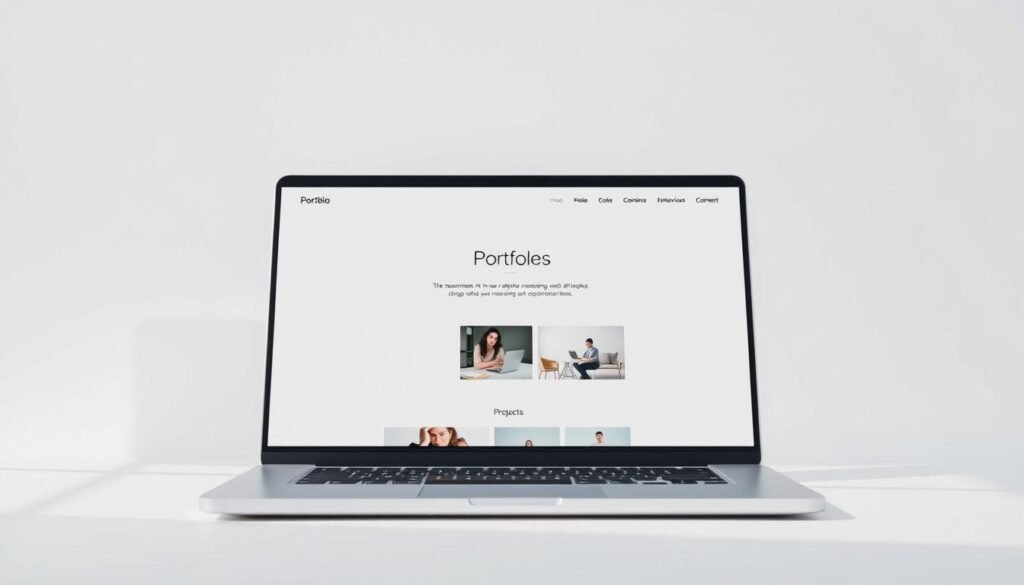
By following these strategies, you can build a strong portfolio even with zero experience, and be well on your way to landing your first freelance client.
How to Land Your First Freelance Client (Even With No Experience)
Starting a freelance career without experience can be daunting, but there are strategies to land your first client. The key is to be proactive, leveraging every available resource and opportunity to showcase your skills and services.
Leveraging Your Personal Network
Telling the people closest to you about your freelance business is a win-win. It’s a great rehearsal for when you need to tell other people what you do, and it gets your message out to everyone they know – their unique networks. By making it clear what you do, they’ll be able to sing your praises the next time someone they know is looking for someone who does what you do. Your family and friends can become your first advocates.
To effectively leverage your personal network, consider the following:
- Be clear and concise about your services
- Prepare an elevator pitch that highlights your skills
- Ask for referrals or introductions to potential clients
Using Social Media to Find Opportunities
Social media platforms are powerful tools for finding potential clients. By using these platforms effectively, you can identify opportunities and connect with potential clients who need your services. Start by optimizing your profiles to reflect your professional brand, and then engage with content related to your niche.
Here’s a simple table to get you started with social media:
| Platform | Use Case | Tips |
|---|---|---|
| Professional networking | Join relevant groups, publish articles | |
| Real-time engagement | Use hashtags, participate in chats | |
| Community building | Create a business page, join local groups |

Cold Outreach That Actually Works
Crafting effective cold outreach messages is crucial for getting responses. Your message should be personalized, showing that you’ve taken the time to understand the potential client’s needs. Highlight how your skills can solve their problems, and include a clear call-to-action.
For more ideas on boosting your income through freelancing, check out our guide on best side hustle ideas for 2025. This resource can provide additional strategies to complement your freelance services.
By combining these strategies—leveraging your personal network, using social media effectively, and crafting compelling cold outreach messages—you can increase your chances of landing your first freelance client. Remember, the key is to be proactive and persistent, continually improving your approach based on the feedback you receive.
Mastering Freelance Platforms for Beginners
Freelance platforms like Upwork, Fiverr, and Freelancer are often misunderstood, but they can be valuable tools for beginners. These platforms provide an opportunity to gain experience, build a portfolio, and eventually transition to better-paid work.
Setting Up an Effective Upwork Profile
To succeed on Upwork, you need a profile that stands out. Start by choosing a professional profile picture and writing a compelling headline that highlights your skills. Your profile should clearly state your services, showcasing your skills and any relevant experience. Even without extensive experience, you can highlight transferable skills, personal talents, and any relevant projects you’ve worked on.
A well-written profile description is crucial. It should address potential clients’ needs and demonstrate how you can solve their problems. Make sure to include relevant keywords to improve visibility in search results.
Writing Proposals That Get Responses
Writing effective proposals is key to landing your first freelance job on Upwork. Begin by carefully reading the job description and understanding the client’s needs. Your proposal should be tailored to the specific job, highlighting how your skills match the client’s requirements.
Start your proposal with a strong introduction that grabs the client’s attention. Mention the job title and how you came across it. Then, provide a concise overview of your relevant skills and experience. Be sure to include examples or case studies that demonstrate your capabilities.
Managing Your First Client Relationship
Managing your first client relationship professionally is crucial for long-term success. Start by setting clear expectations regarding the project’s scope, timeline, and communication channels. Regular updates can help build trust and ensure the client is satisfied with your work.
Upon completing the project, request feedback and ask the client to leave a review on your Upwork profile. Positive reviews are invaluable for attracting more clients and improving your visibility on the platform.
Pricing Strategies for New Freelancers
Setting the right price for your freelance services is a delicate balance between being competitive and valuing your skills appropriately. As you start your freelance career, it’s essential to adopt a pricing strategy that attracts clients while also ensuring you’re fairly compensated for your work.

Setting Your Initial Rates
When you’re new to freelancing, consider offering discounted rates to attract your first clients. This strategy helps you build a portfolio and gain experience. Research the market rates for your services using freelance platforms and social media groups to understand the going rate for your skills.
- Start by identifying your costs and the minimum rate you need to sustain your business.
- Compare your rates with those of other freelancers in your niche.
- Be prepared to negotiate, but know your worth and don’t undersell yourself.
When and How to Raise Your Rates
As you complete projects and build your portfolio, you’ll gain confidence and experience, making it easier to raise your rates. Consider increasing your rates after completing a few successful projects or when you notice a significant demand for your services.
Communicate rate changes to your existing clients professionally, explaining the value you’ve added to their projects and the increased quality of service they can expect.
Value-Based Pricing vs. Hourly Rates
There are two primary pricing models for freelancers: value-based pricing and hourly rates. Value-based pricing involves charging clients based on the value you deliver, while hourly rates are based on the time spent on a project.
- Value-based pricing can be more lucrative for projects with a clear outcome.
- Hourly rates may be more suitable for projects with uncertain scopes or ongoing work.
By understanding these pricing strategies, you can make informed decisions that support your career growth and financial goals as a freelancer.
Conclusion: Your Roadmap to Freelance Success
The path to becoming a successful freelancer is paved with persistence and continuous learning. As you start your freelance career, it’s essential to identify your marketable skills and build a robust portfolio. Leveraging your personal network and utilizing platforms like Upwork can help you land your first client.
Remember, your freelance journey won’t be built in a day, but with the right strategies, you can achieve success. Be prepared to face challenges and keep learning. Successful freelancers often start with small projects and gradually build their client base. By balancing short-term needs with long-term goals, you can create a sustainable freelance business.
Take the first step today, and start building your freelance career. With dedication and the right approach, you can turn your freelance dreams into a reality.
FAQ
What are the most in-demand freelance services for beginners?
How can I create a portfolio when I have no experience?
What is the best way to find my first freelance client?
How do I determine my pricing as a new freelancer?
Can I succeed as a freelancer without prior experience?
How do I manage my first client relationship?
What are some beginner-friendly freelance niches?
How can I use Upwork to find my first freelance client?
editor's pick
latest video

news via inbox
Nulla turp dis cursus. Integer liberos euismod pretium faucibua


