

Menopause Weight Gain? 10 Natural Solutions to Feel Your Best
Weight gain is a common and frustrating symptom during menopause, affecting many women during this transitional phase of life. As I explore the reasons behind this weight gain, it becomes clear that hormonal fluctuations play a significant role. The rollercoaster of oestrogen levels affects insulin resistance, leading to increased cravings for sugar and caffeine. Moreover, high stress levels during this period trigger an increase in cortisol, the stress hormone, contributing to weight gain, often referred to as “the worry waist.”
Addressing menopause weight gain is not just about appearance; it’s about maintaining overall health and reducing the risk of conditions like heart disease and diabetes. For more information on managing menopausal and perimenopausal weight gain, you can visit this resource that offers valuable insights into easy diet and lifestyle changes.
Key Takeaways
- Hormonal fluctuations during menopause affect insulin resistance and lead to increased cravings.
- High stress levels contribute to increased cortisol, causing weight gain.
- Addressing menopause weight gain is crucial for overall health and reducing disease risk.
- Natural solutions can help manage weight during menopause.
- Managing menopause symptoms like hot flashes and night sweats can also support weight management.
Understanding Menopause Weight Gain
Menopause weight gain can be frustrating, but understanding its causes is the first step to managing it. During this transition, women experience a complex interplay of hormonal changes that affect their body composition.
The Hormonal Rollercoaster Behind Weight Changes
The decline in estrogen levels during menopause significantly impacts metabolism and fat storage. As estrogen dips, the body’s fat distribution patterns change, with more fat accumulating around the abdomen rather than the hips and thighs. This shift is not just a cosmetic issue; central obesity is linked to various health risks.
Furthermore, the decrease in estrogen triggers an increase in insulin production, making the body more efficient at storing fat and less efficient at using it for energy. This hormonal change, coupled with potential insulin resistance, contributes to weight gain.
Why Traditional Weight Loss Methods May Not Work
Many women find that traditional calorie-restriction diets and standard exercise routines are less effective during menopause. The hormonal changes, including increased cortisol levels due to stress and sleep disruption, create a challenging environment for weight loss. For instance, a lack of sleep acts as a stressor, leading to increased cravings for stimulants the next day. For more information on effective weight loss strategies, you can visit Vibrant Voyage Hub.
- The body’s metabolism slows down, making it harder to lose weight.
- Increased cortisol levels promote fat storage around the abdomen.
- Sleep disruption and stress contribute to weight gain.
- Hormonal changes affect fat distribution and metabolism.
Understanding these biological changes is crucial for developing effective weight management strategies during menopause. By acknowledging the role of hormonal fluctuations, women can better navigate this transition and find personalized solutions to their weight gain concerns.
Menopause Weight Gain? Try These 10 Natural Solutions
There are numerous natural strategies that can help alleviate menopause weight gain. Thankfully, there’s plenty you can do to manage weight during this phase. Here are 10 simple ways to help you feel your best.
These natural solutions work together to provide a comprehensive approach to managing weight and improving overall health. They are evidence-based and specifically targeted to address the hormonal changes of menopause.
- Focus on nutrient-dense foods
- Increase protein intake for sustained energy
- Embrace healthy fats
- Try morning rituals like hot water with lemon
- Time your caffeine consumption strategically
- Consider intermittent fasting
- Increase phytoestrogen-rich foods
- Avoid certain foods that can exacerbate symptoms
- Stay hydrated for weight management
- Engage in strategic exercise like HIIT
For more information on managing menopause weight gain, you can visit this resource for additional tips.

Optimizing Your Diet During Menopause
As we navigate menopause, our dietary needs shift, requiring a more nuanced approach to nutrition. The changes that occur during this phase can affect our metabolism, energy levels, and overall health. By making informed dietary choices, we can better manage menopause symptoms and support our overall well-being.
1. Focus on Nutrient-Dense Foods
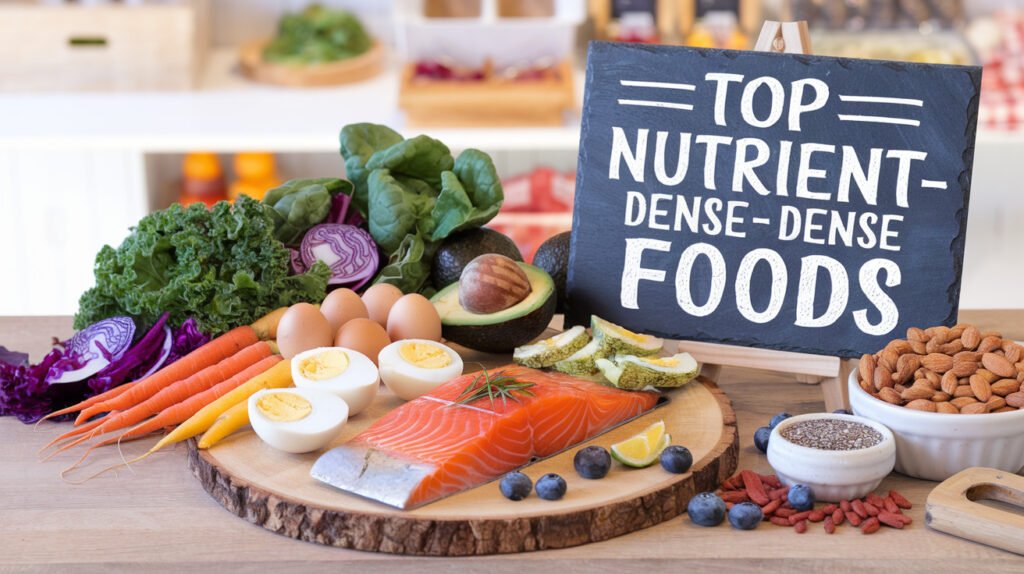
During menopause, it’s essential to focus on nutrient-dense foods that provide a high amount of vitamins, minerals, and antioxidants. These include a variety of vegetables, fruits, nuts, seeds, pulses, and legumes. Aim to include 30+ unique plants in your diet per week, as this can help fuel your energy levels and support thyroid function, leading to better sleep and more energy to stay active.
Incorporating a wide range of colorful vegetables and fruits not only provides essential nutrients but also supports hormonal balance. For example, leafy greens like spinach and kale are rich in iron, while berries are packed with antioxidants that help combat oxidative stress.
2. Increase Protein Intake for Sustained Energy
Increasing protein intake is crucial during menopause as it helps maintain muscle mass, which naturally declines with age. Protein also provides a sustained release of energy and helps keep you feeling fuller for longer. Include a variety of protein sources in your diet, such as lean meats, fish, eggs, and plant-based options like pulses and legumes.
Eating protein-rich foods can help stabilize blood sugar levels and reduce cravings for unhealthy snacks. For instance, starting your day with a protein-packed breakfast, such as scrambled eggs with spinach, can keep you energized and focused throughout the morning.
3. Embrace Healthy Fats
Healthy fats play a vital role in supporting hormonal health and overall well-being during menopause. Foods rich in omega-3 fatty acids, such as salmon, trout, and mackerel, can help reduce inflammation and support heart health. Additionally, include sources of monounsaturated fats like avocados and nuts, which are not only satisfying but also support weight management.
It’s essential to differentiate between healthy fats and processed fats found in cakes, crisps, and biscuits. While healthy fats support our bodily functions, processed fats can exacerbate inflammation and weight gain. By making informed choices about the fats we consume, we can better support our health during menopause.
Strategic Eating Patterns for Hormonal Balance
Strategic eating patterns play a crucial role in maintaining hormonal balance during menopause. By making informed choices about when and what we eat, we can significantly impact our hormonal health and overall well-being.
Morning Rituals: Hot Water with Lemon
Starting the day with hot water and lemon can be a simple yet effective way to support liver function and digestion. Unlike caffeine, which can lead to fluctuations in blood sugar levels, hot water with lemon provides a natural energy boost without the negative side effects. This morning ritual can help kickstart your metabolism and prepare your body for the day ahead.

Timing Your Caffeine Consumption
Caffeine can have a significant impact on blood sugar levels and stress hormones, particularly during menopause. Consuming caffeine first thing in the morning can lead to an energy crash later, followed by cravings for refined carbohydrates. To minimize this effect, it’s recommended to have caffeine with food, rather than on an empty stomach. Limiting caffeine intake to one cup per day can also help maintain hormonal balance.
Try Intermittent Fasting
Intermittent fasting has gained popularity for its numerous health benefits, including weight loss and improved insulin sensitivity. For menopausal women, fasting overnight for 12-14 hours can help normalize blood sugar levels and give the digestive system a much-needed rest. This eating pattern can also help reduce late-night eating habits, which can contribute to weight gain.
| Eating Pattern | Benefits | Tips for Implementation |
|---|---|---|
| Hot Water with Lemon | Supports liver function and digestion, natural energy boost | Start with it first thing in the morning |
| Caffeine with Food | Reduces impact on blood sugar levels | Have caffeine with breakfast or snacks |
| Intermittent Fasting | Weight loss, improved insulin sensitivity, normalized blood sugar | Fast overnight for 12-14 hours, be consistent |
By incorporating these strategic eating patterns into your daily routine, you can take a proactive approach to managing menopause symptoms and maintaining hormonal balance. These simple changes can have a significant impact on your overall health and well-being.
Foods That Support Hormonal Health
Eating foods that support hormonal balance is essential for navigating menopause effectively. As women go through this natural phase, dietary choices play a significant role in managing symptoms associated with hormonal fluctuations.
Increase Phytoestrogen-Rich Foods
Phytoestrogens are plant-derived compounds that mimic the effects of estrogen in the body. Incorporating phytoestrogen-rich foods into your diet can help alleviate menopause symptoms such as hot flashes and night sweats. These foods include soya-based products like tofu, tempeh, and miso, as well as ground linseed, broccoli, cabbage, and alfalfa.
Research suggests that phytoestrogens can help top up estrogen levels in a weak form, supporting insulin sensitivity and other metabolic changes. For instance, a study found that women who consumed a diet rich in phytoestrogens experienced a reduction in hot flashes and improved sleep quality.
| Food | Phytoestrogen Content | Benefits |
|---|---|---|
| Soybeans | High | Reduces hot flashes, supports bone health |
| Linseed | High | Supports heart health, alleviates menopause symptoms |
| Broccoli | Moderate | Rich in vitamins, supports overall health |
It’s also worth noting that while soy consumption has been a topic of debate regarding breast cancer risk, current scientific understanding suggests that moderate soy consumption is safe and may even offer protective benefits.
Foods to Avoid During Menopause
Certain foods can trigger or worsen menopause symptoms. Common culprits include caffeine, alcohol, spicy foods, and sugary foods. These can cause flushing, increase body temperature, or spike blood sugar levels, potentially exacerbating hot flashes and night sweats.
“A well-balanced diet that avoids trigger foods can significantly improve menopause symptoms.”
To identify personal food triggers, an elimination diet can be helpful. This involves removing potential trigger foods from your diet for a period and then reintroducing them one by one to monitor any adverse reactions.
Alternatives to common trigger foods can help women avoid feeling deprived. For example, instead of consuming caffeinated beverages, one can opt for herbal teas or decaf coffee.
Dietary choices directly impact sleep quality, which is often disrupted during menopause. Avoiding heavy meals close to bedtime and opting for a balanced diet rich in fruits, vegetables, and whole grains can promote better sleep.
Hydration and Weight Management
As we navigate the challenges of menopause, it’s essential to consider the role of hydration in managing weight and alleviating symptoms. During this phase, women experience significant hormonal changes that can affect fluid balance and overall health.
The Connection Between Water Intake and Menopause Symptoms
Adequate hydration is crucial during menopause, as it can help alleviate some of the uncomfortable symptoms associated with this transition. Drinking enough water can reduce the severity of hot flashes, fatigue, and headaches, which are common during menopause. Moreover, proper hydration supports metabolism and can help prevent overeating by improving satiety signals.
It’s recommended to drink 33 milliliters of water per kilogram of body weight daily, spread evenly throughout the day. For instance, a woman weighing 60 kg should aim to drink approximately 2 liters of water daily. However, this amount may need to be adjusted based on activity level and climate.
Practical Hydration Tips
To maintain optimal hydration, it’s essential to develop healthy drinking habits. Here are some practical tips:
- Drink water at room temperature, as it’s absorbed by the body more efficiently than cold water.
- Incorporate hydrating foods into your diet, such as watermelon and cucumbers.
- Limit caffeinated and sugary beverages that can act as diuretics.
- Consider drinking herbal teas or infusions, which can contribute to your daily hydration needs.
Timing of fluid intake is also important, particularly in relation to sleep quality. While drinking water before bed may aid in weight loss, it can also increase nighttime awakenings to use the bathroom. Finding the right balance is key.
| Hydration Tip | Benefit |
|---|---|
| Drink water at room temperature | Better absorption by the body |
| Incorporate hydrating foods | Additional hydration and nutrient intake |
| Limit caffeinated beverages | Reduced diuretic effect |

Exercise Strategies for Menopausal Weight Management
During menopause, the right exercise strategies can make a significant difference in managing weight and improving overall well-being. As our bodies undergo various changes, it’s essential to adapt our exercise routines to address these shifts effectively.
Morning Exercise for Metabolic Benefits
Starting your day with exercise can have a profound impact on your metabolism. Engaging in physical activity in the morning helps kickstart your metabolic rate, which can lead to increased fat burn throughout the day. Even a simple brisk walk around the block can be beneficial, making it an accessible option for many.
Morning exercise not only boosts metabolism but also sets a positive tone for the day, enhancing overall energy levels and mental clarity.
Combining Cardio and Strength Training
A well-rounded exercise routine should include a mix of cardio and strength training. Cardiovascular exercises such as swimming, walking, bicycling, and running are excellent for heart health and burning calories. Meanwhile, strength training helps preserve muscle mass, which is crucial during menopause as it naturally declines.
| Exercise Type | Benefits | Examples |
|---|---|---|
| Cardiovascular | Improves heart health, burns calories | Swimming, walking, bicycling, running |
| Strength Training | Preserves muscle mass, boosts metabolism | Weightlifting, bodyweight exercises, resistance bands |
High-Intensity Interval Training (HIIT) Benefits
HIIT involves short bursts of high-intensity exercise followed by brief periods of rest. This method is particularly effective for menopausal women as it not only burns fat but also improves cardiovascular health and boosts metabolism. A sample HIIT workout could include 30 seconds of sprinting followed by 30 seconds of walking, repeated for 15-20 minutes.

By incorporating these exercise strategies into your daily routine, you can better manage menopausal weight gain and enhance your overall health and well-being.
Lifestyle Adjustments for Overall Wellness
Embracing lifestyle changes during menopause is essential for maintaining overall health and wellness. As women navigate this significant life transition, incorporating healthy habits can make a substantial difference in managing symptoms and improving quality of life.
Meal Planning and Preparation
One effective strategy is meal planning and preparation. By planning meals in advance, women can ensure they’re consuming nutrient-dense foods that support hormonal balance. Saving leftovers for lunch the next day not only reduces food waste but also helps prevent overeating. According to Kathryn A. Boling, MD, a family medicine physician, “What we did when we were 30 and what we do when we’re 60 is very different.” This mindset shift is crucial in adopting new eating habits that cater to changing nutritional needs during menopause.
| Meal Planning Tips | Benefits |
|---|---|
| Plan meals around seasonal produce | Increased nutrient intake, reduced cost |
| Prepare meals in bulk | Saves time, reduces stress |
| Include a balance of protein, healthy fats, and complex carbohydrates | Supports hormonal balance, sustained energy |
Mindful Indulgence: Balance is Key
While healthy eating is important, it’s equally crucial to practice mindful indulgence. Allowing oneself the occasional treat can help maintain a balanced lifestyle and prevent feelings of deprivation. As the saying goes, “life’s too short” to completely eliminate favorite foods. By being mindful with every mouthful and truly enjoying it, women can cultivate a healthier relationship with food. For more tips on maintaining a balanced lifestyle, visit Vibrant Voyage Hub.

Conclusion: Your Personalized Approach to Menopause Wellness
Embracing a holistic approach to menopause wellness can be a game-changer. By incorporating the 10 natural solutions outlined in this article, women can develop a personalized approach to managing menopause symptoms. Start with one or two changes, such as adjusting your diet or exercise routine, and gradually build upon them. Remember, the goal is to enhance your overall health and well-being, not just manage weight. With patience and the right strategies, women can navigate menopause with confidence and emerge feeling their best.
FAQ
What are the primary hormonal changes that occur during perimenopause and menopause?
How can I manage hot flashes and night sweats while dealing with weight changes?
Are there specific foods that can help regulate blood sugar levels during menopause?
Can exercise help alleviate menopause symptoms, including anxiety and mood swings?
How can I balance my diet to support heart health during menopause?
Is it necessary to limit alcohol consumption during menopause?
Can stress management techniques help with menopause weight management?
How can I stay hydrated and support my overall health during menopause?
editor's pick
latest video

news via inbox
Nulla turp dis cursus. Integer liberos euismod pretium faucibua


